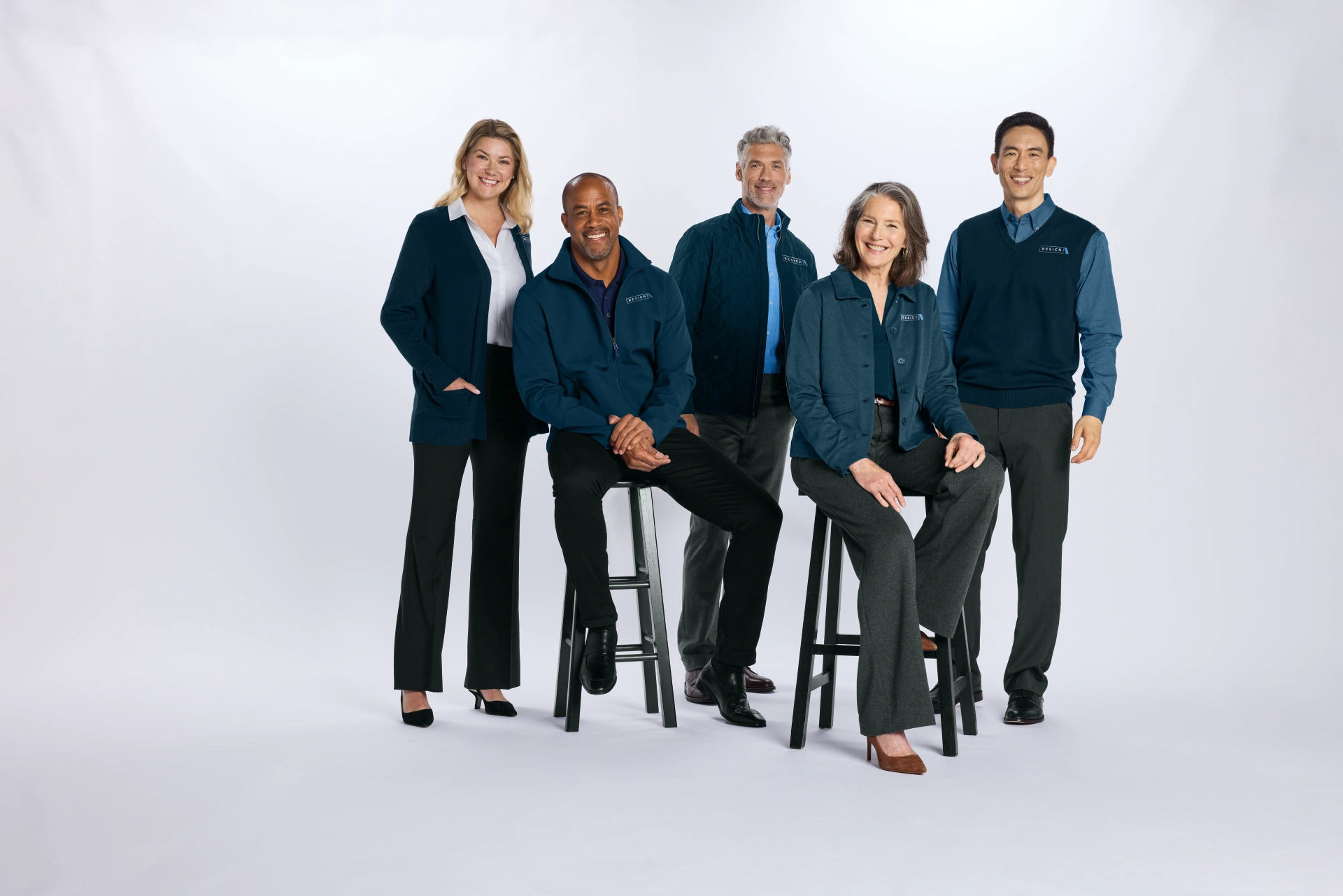
Branded uniforms pull off a lot of quiet work. They make your team recognizable at a glance, build a bit of pride, and tell customers you have things handled. But teams are made of people, and people show up with their own beliefs, backgrounds, and dress practices. So here’s the real question: can you keep a sharp, consistent brand look while respecting religious and cultural dress needs? Yes. Those two things sit side by side with zero drama.
In this blog, we’ll cover how to balance brand consistency with religious and cultural dress accommodations, from legal considerations and flexible policies to gear that helps every employee feel included.
Why Branded Dress Codes Matter in the First Place
A good branded dress code is your first impression before anyone opens their mouth. Someone walks in, sees your team in matching, well-fitted gear, and knows right away who to ask for help. That’s recognition doing its job.
Consistency across locations counts too. When your Portland and Austin crews both look like they belong to the same brand, customers trust they’ll get the same experience wherever they go. People can see that kind of cohesion.
Don’t skip the confidence piece either. When gear fits well and feels good on, people stand a little taller. It shows.
But rigidity has a breaking point. When a dress code leaves no room for religious and cultural accommodations, it stops building pride and starts building resentment. That’s how you lose people instead of keeping them.
What Religious and Cultural Dress Accommodations Actually Look Like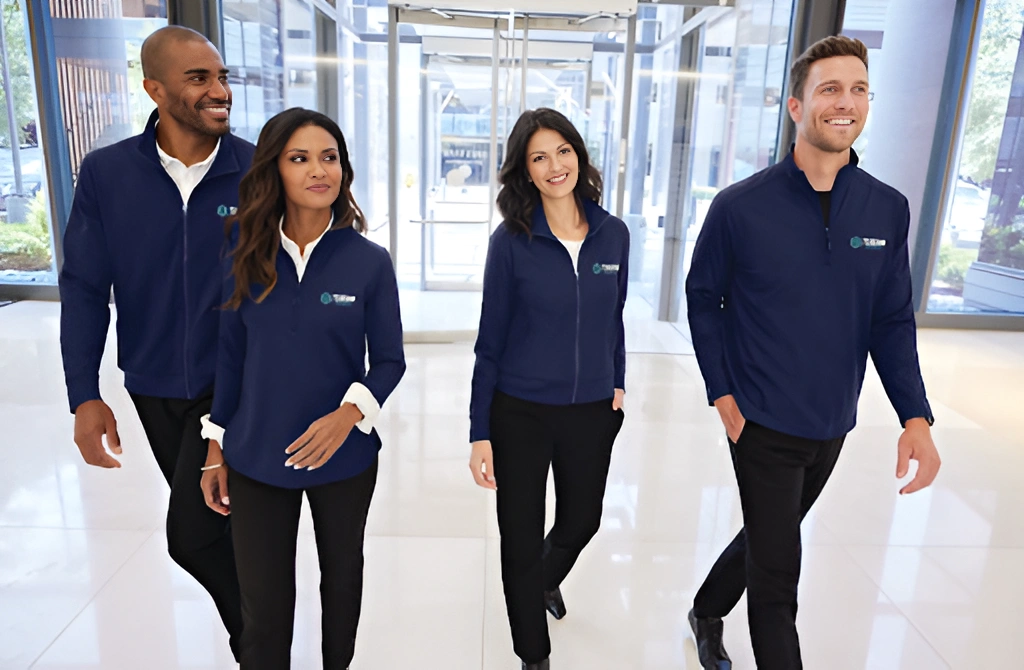
These accommodations aren’t complicated once you see what you’re working with. They fall into a few clear buckets.
- Head coverings like hijabs, turbans, and yarmulkes worn as part of daily faith practice
- Beards, hair length, and grooming practices tied to religious observance
- Modesty needs around sleeves, hemlines, and layering, meaning longer cuts or added pieces
- Culturally significant jewelry or garments that carry real meaning
None of these are wild asks. Most dress code exceptions for cultural practices come down to small, reasonable adjustments that let someone show up as themselves while still repping your brand.
The Legal Side We Can’t Ignore
Okay, quick, painless legal bit. Title VII of the Civil Rights Act requires employers to provide reasonable accommodations for sincerely held religious beliefs, which covers dress and grooming. If someone asks to wear a head covering with their uniform, that request carries weight.
EEOC dress code guidance expects you to take these requests seriously and respond in good faith. You engage, you talk it through, you land on a workable answer. You don’t wave it off.
The one out employers get is “undue hardship,” which means a real, significant cost or burden. That’s a high bar. “It messes with our look” doesn’t come close.
Safety is a different story. A genuine safety concern, like loose fabric near machinery, is a fair reason to adjust an accommodation. Preference-based pushback dressed up as a safety worry is not. Know the difference before you say no, and keep your approach to religious accommodation grounded in fact.
Where Brand Consistency and Accommodation Usually Clash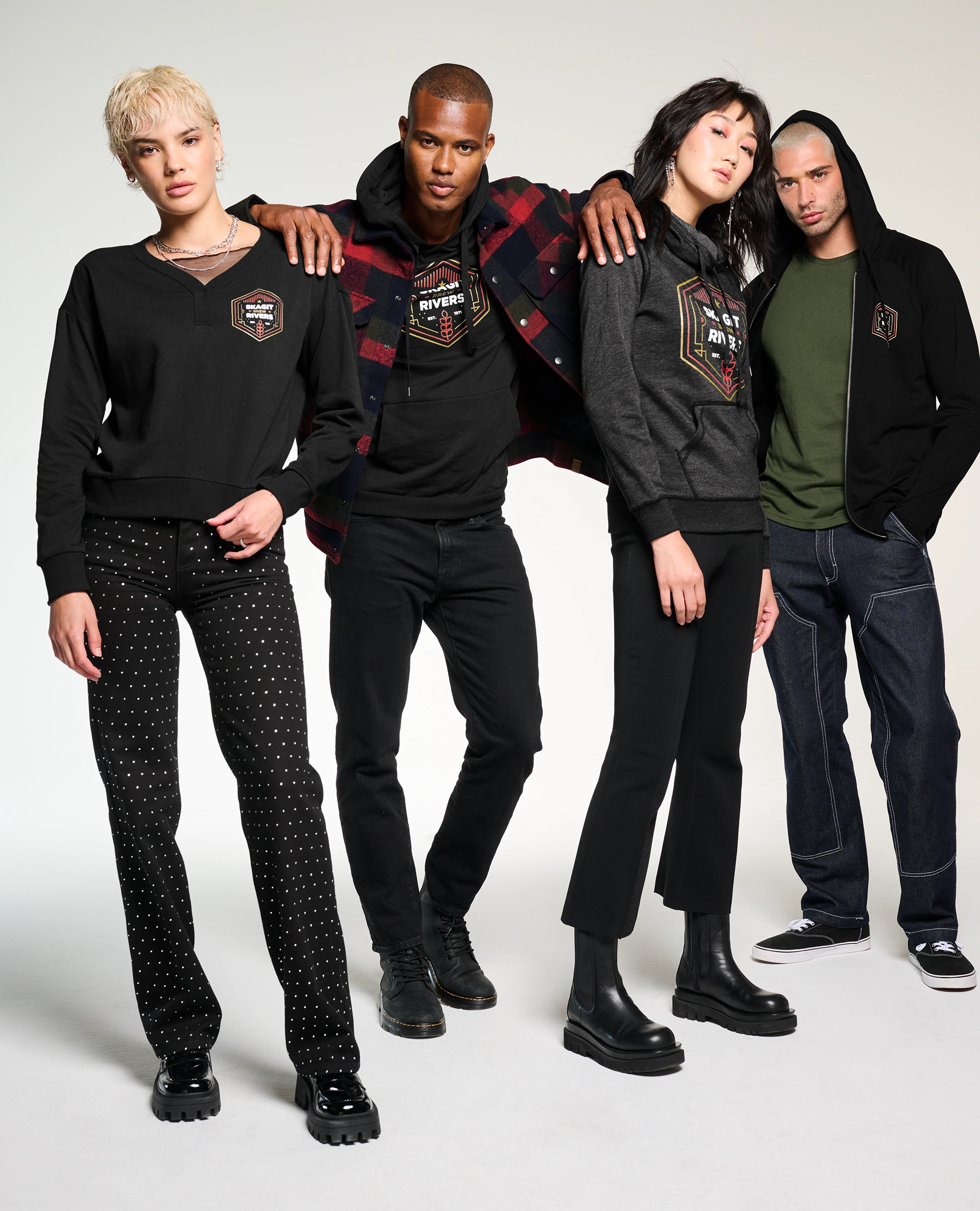
Most friction lands in predictable spots. Strict color, logo, and fit requirements leave no wiggle room, so any variation feels like a rule broken. One-size-fits-all uniforms sound efficient on paper but rarely fit everyone, especially when someone needs more coverage or a different cut.
Then there’s the human side. Managers freeze because they aren’t sure how to say yes without breaking a rule. And leadership sometimes worries that one exception cracks the whole brand look wide open. It won’t. That fear does more damage than any head covering ever will.
How We Design Uniform Policies That Flex
A flexible policy isn’t a loose one. It’s a smart one. You decide what truly can’t move and let the rest breathe.
Focus on Non-Negotiables vs. Nice-to-Haves
Lock in the parts that define your brand: logo placement and brand colors. Those are your identity, so keep them consistent everywhere.
Then ease up on everything else. Cut, length, and layering can flex without touching your brand at all. A longer sleeve or a modest hemline in the right color still reads as your team.
Offer Brand-Matched Alternatives
Here’s where it gets easy. Offer branded head coverings and modest-fit options so people never have to pick between their beliefs and the team look.
Color-matched layers do the same trick. Someone adds an underlayer or a longer piece in your exact palette, and the polished, unified look holds. That’s an inclusive uniform policy with none of the headaches.
Making the Request Process Easy for Everyone
The process matters as much as the answer. Give people a clear, low-stress way to ask. Nobody should feel like they’re begging for a favor to practice their faith.
Train your managers to respond well rather than freeze or fumble. A quick “yes, let’s sort that out” beats an awkward pause every time. And keep answers consistent across teams and locations, because one manager saying yes while another says no is how trust falls apart fast.
Document decisions, but keep it light and respectful. A simple record protects everyone without turning a reasonable ask into an interrogation.
Getting Gear That Works for a Diverse Team
All of this works only if the gear itself plays along. That means a real range of sizes, fits, and coverage options, not three sizes and a shrug. It means fabrics that layer comfortably year-round, so nobody’s sweating through July or freezing in January to stay covered.
Most of all, it means working with a partner who gets both goals: a sharp, consistent brand and a team that feels respected. That’s the balance we live for at Righteous. We help teams look unified and feel like themselves, sourcing brand-matched pieces, modest fits, color-coordinated layers, and head coverings that all belong to the same polished set. When these accommodations are built into the plan from the start, nobody has to scramble later.
FAQs
Do employers have to accommodate religious dress and grooming practices?
Under Title VII, employers generally must provide reasonable accommodations for sincerely held religious practices unless doing so would create an undue hardship.
Can a company maintain brand consistency while allowing dress accommodations?
Yes. Brand colors, logos, and overall presentation can stay consistent while allowing flexibility in sleeve length, layering, head coverings, fit, and other details.
What should managers do when an employee requests a dress code accommodation?
Listen to the request, discuss workable options, document the decision, and apply the process consistently while considering any genuine safety requirements.
Keep the Brand. Make Room for the People
A consistent uniform program shouldn’t require every employee to dress the same way. Righteous helps teams build branded apparel systems with the right colors, fits, layers, and options to keep the brand recognizable while giving real people room to wear it comfortably and confidently.
If your current uniform program is too rigid for the team wearing it, talk to Righteous about building a more flexible program without losing the look that makes your brand yours.