HR sits at an interesting crossroads when it comes to uniforms. You’re balancing what employees actually want to wear, what leadership expects the brand to look like, and what the budget will realistically allow. Somehow, you’re supposed to land on a program that works for everyone. No pressure.
Getting uniforms right has a real impact on how teams feel, how customers read the brand, and how smoothly day-to-day operations run. This guide walks through everything HR needs to think about, from choosing the right style and fabric to building a policy that holds up and picking a vendor who makes the process easier.
Why Branded Uniforms Are an HR Decision
Uniforms aren’t just clothing. They’re a visible signal of who your company is and how seriously you take the people representing it. When employees show up in consistent, well-made branded workwear, it does something for team cohesion that a memo about company culture never quite manages.
There’s a confidence piece that gets overlooked, too. Employees who feel good in what they’re wearing show up differently. They carry themselves better, make stronger first impressions, and customers read that consistency as a sign that the company has its act together.
Company uniforms for employees also communicate values.
Are you investing in quality?
Do you care about comfort?
Does the look feel current?
All of that comes through in the gear you put on your team. That’s why this is very much an HR decision, not something to hand off to whoever ordered office supplies last.
Matching Uniform Style to Your Industry and Team
A custom work uniform that works beautifully for a hospitality team can be completely wrong for a construction crew. Style decisions need to start with the actual environment your people work in every day.
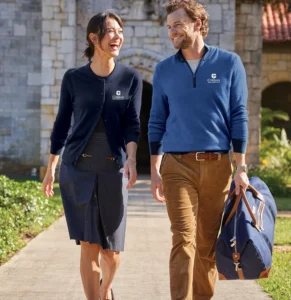
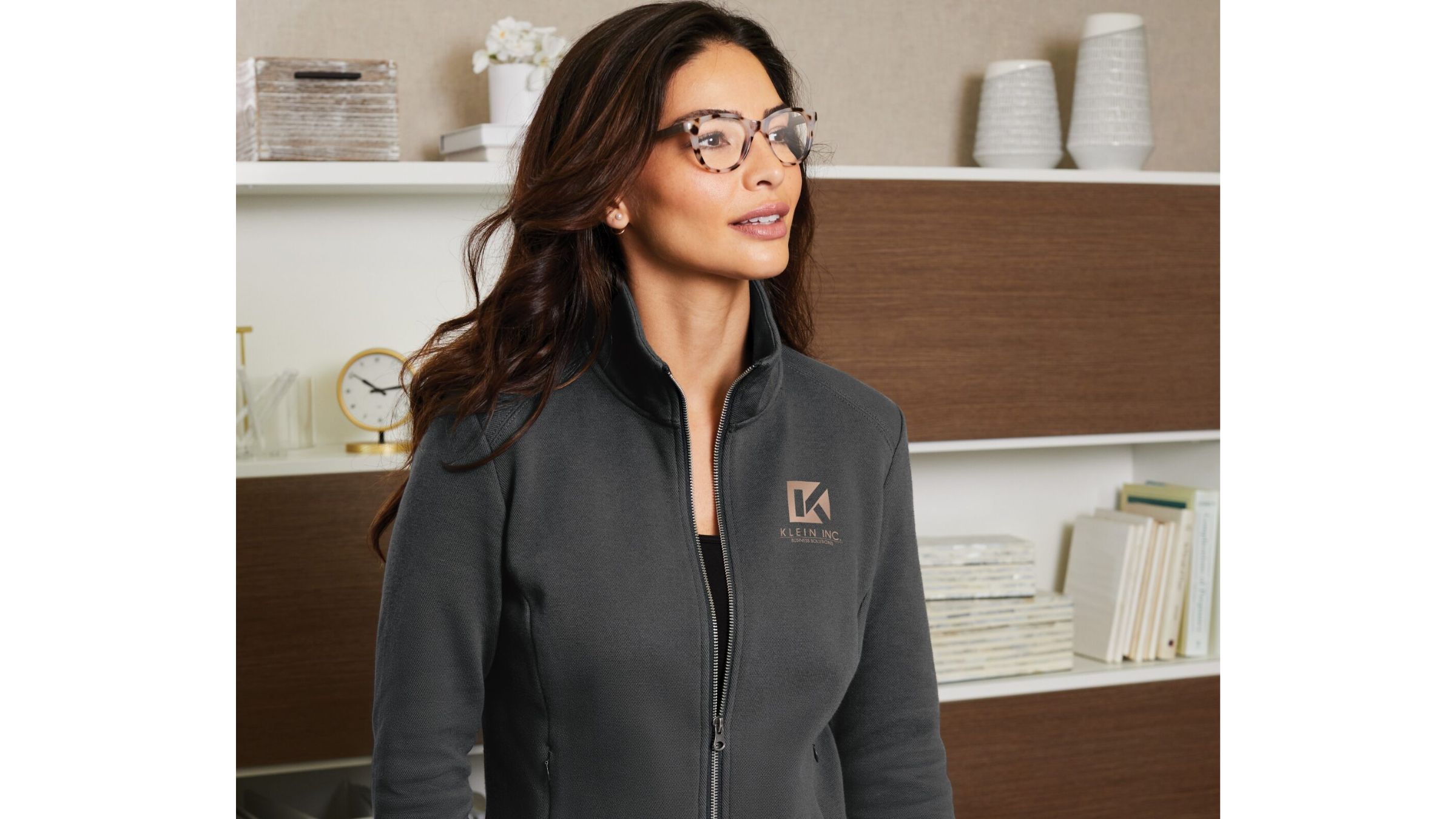
For office and client-facing roles, a clean polo or button-down with subtle branding tends to strike the right balance between polished and approachable. In trades and field work, performance shirts with reinforced details and functional pockets matter just as much as the overall look. Retail and hospitality teams usually need something that reads as friendly and consistent without feeling stiff during long shifts.
The polo, button-down, or performance-shirt question is really about role requirements. A polo is versatile and easy. A button-down says more formal. A performance shirt prioritizes function. Think about what each team actually does for eight-plus hours a day, and match accordingly.
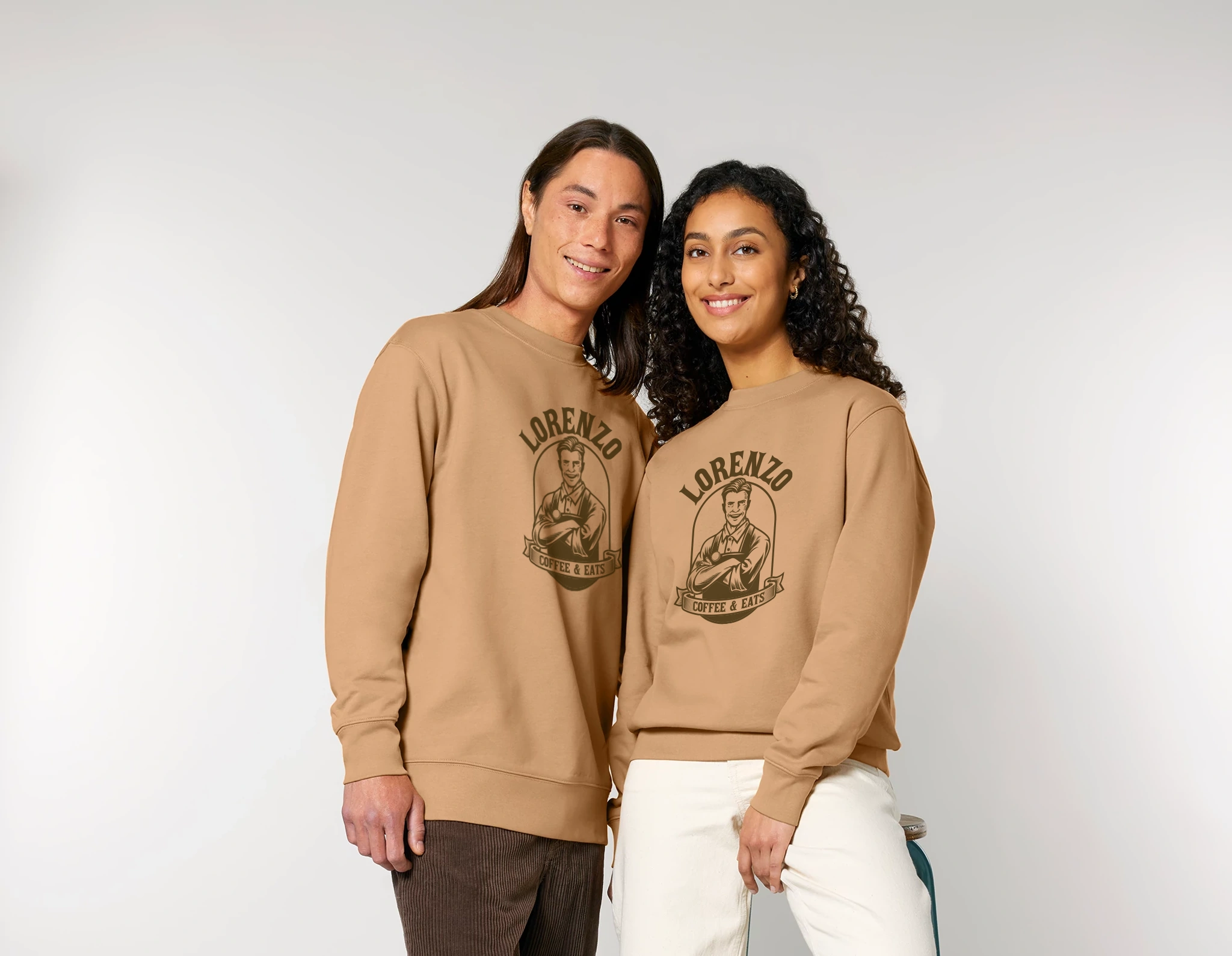
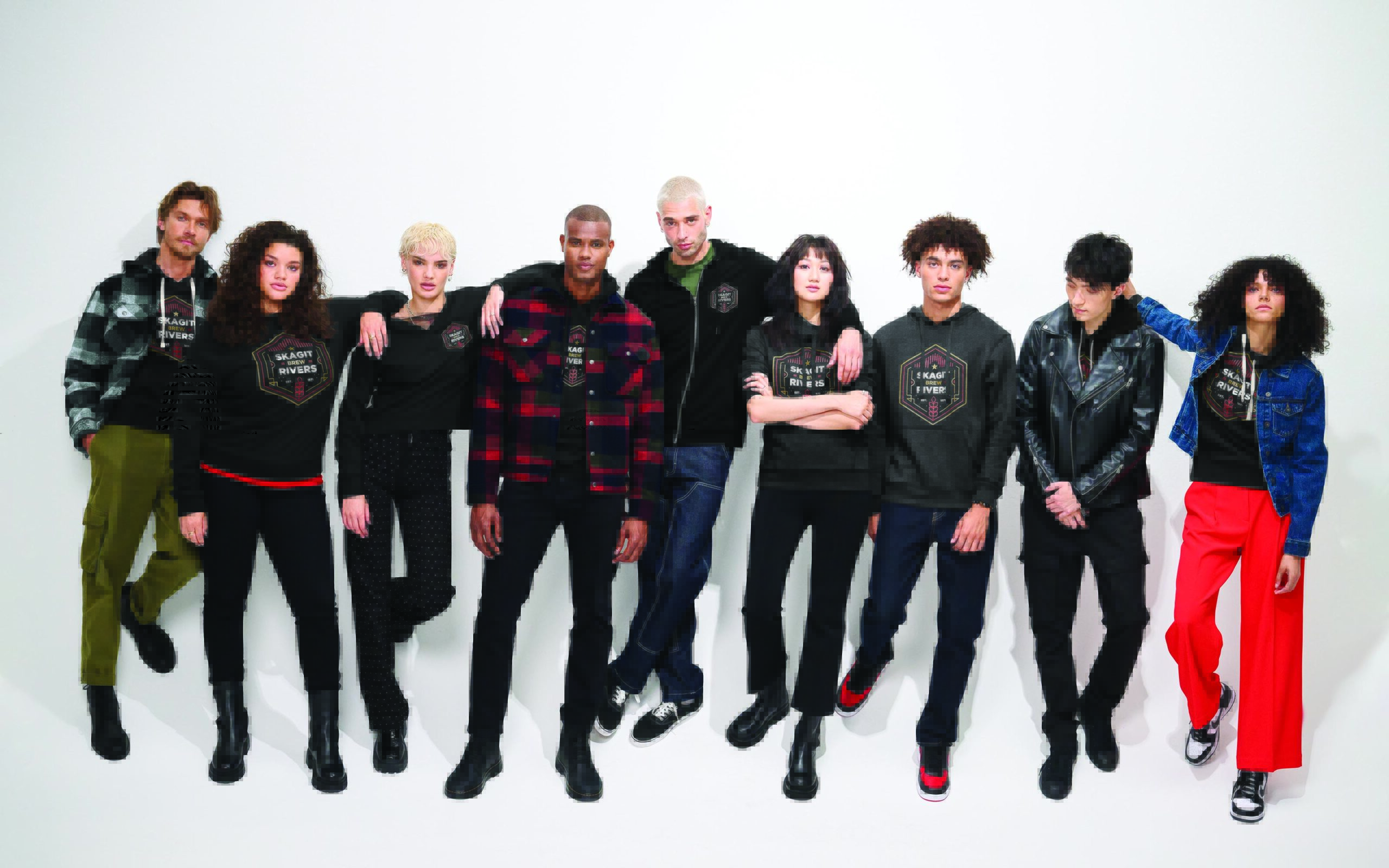
Size inclusivity and gender-neutral options are worth prioritizing from the start, not as an afterthought. An employee uniform guide that only accounts for standard cuts will create friction during rollout and signal to parts of your team that they weren’t considered. Offer a real range of fits and make it easy for people to find something that works for them.
Fabric, Fit, and Features That Actually Matter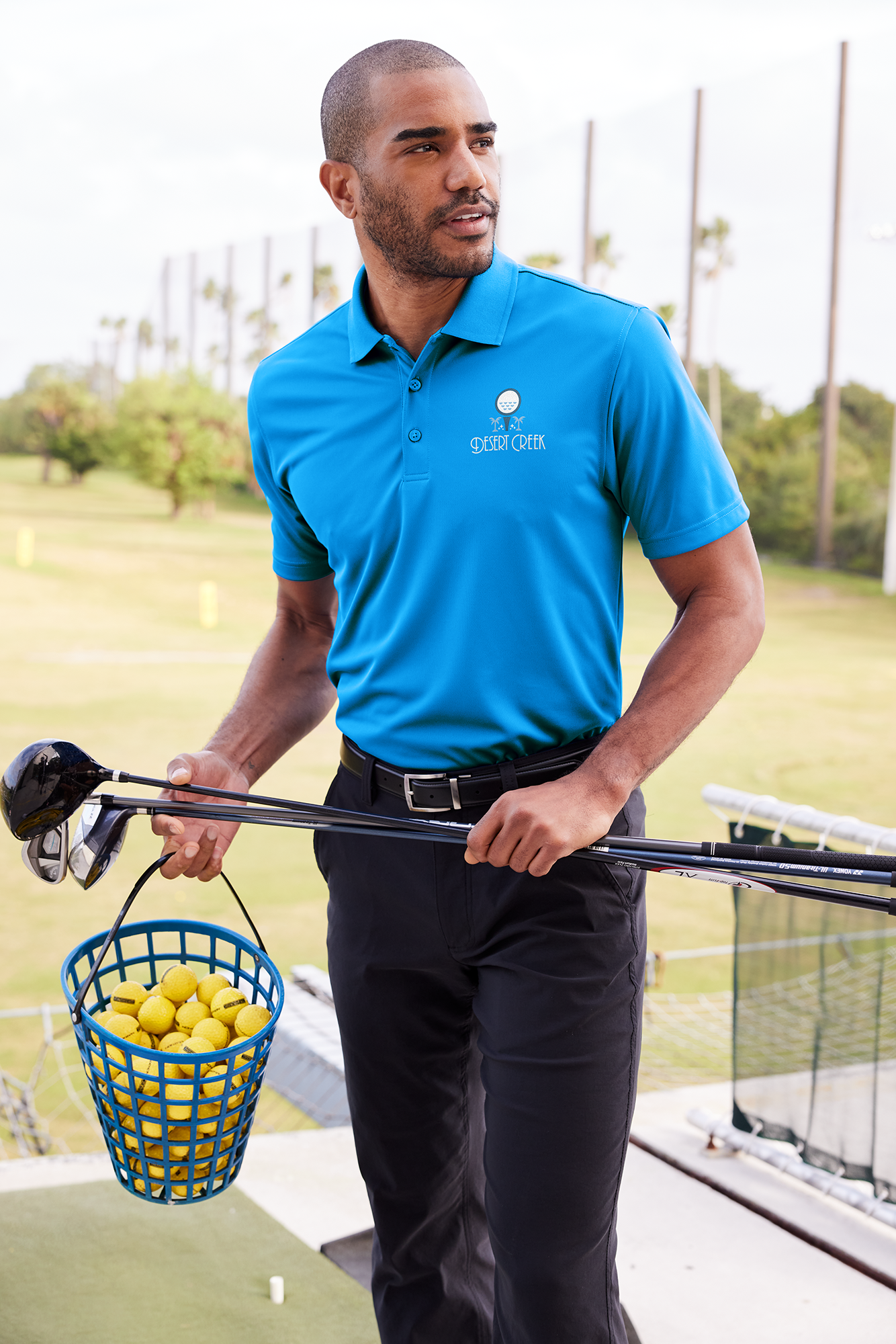
Fabric choice makes or breaks a uniform program. You can get the logo right and the color perfect, but if the shirt feels cheap or traps heat, employees won’t wear it willingly, and it will show.
Performance fabrics, moisture-wicking blends, and stretch material make sense for physical roles or outdoor environments where comfort during movement is a daily need. Classic cotton works well for office settings where breathability matters, but heavy-duty durability doesn’t. For many teams, a cotton-poly blend hits the sweet spot: comfortable, durable, and easy to care for.
Ease of care is genuinely important. Branded workwear that requires special washing or wrinkles badly after one shift creates extra friction for employees and erodes the clean, consistent look you’re going for. Choose fabrics that hold up to regular washing, keep their shape, and stay presentable through a full workday.
Fit is where employee buy-in lives. A uniform that’s uncomfortable or sized in ways that don’t work for real bodies is a uniform that gets worn reluctantly. Involve employees in fit testing before you commit to a full order. That step alone saves a lot of headaches.
Branding Your Uniforms: Embroidery, Screen Printing, and Placement
The decoration method you choose affects how the finished product looks, feels, and lasts. Embroidery is often the stronger choice for corporate uniforms and professional settings.
It reads as premium, holds up through repeated washing, and works especially well on structured items like polos, jackets, and caps.
Screen printing suits softer garments like t-shirts, where a flat graphic finish makes sense. It’s also more cost-effective for larger quantities with simpler designs. The trade-off can be a different feel and durability profile, especially depending on garment type, design detail, and wash frequency.
Logo placement matters more than most people realize. A left-chest logo is the standard for a reason: it reads as intentional and professional. Oversized graphics across the back or chest tend to feel promotional rather than polished. In professional settings, subtlety usually wins for custom work uniforms. A well-placed, well-sized logo communicates the brand without overwhelming the garment.
Bold branding has its place, such as event gear or outerwear meant to be visible from a distance, but for everyday employee uniforms, clean and considered beats loud every time.
Building a Uniform Policy That Actually Works
A solid HR uniform policy removes ambiguity. It tells employees exactly what they receive, when they receive it, and what’s expected in return. Without that clarity, you end up with inconsistency, complaints, and a lot of back-and-forth that could have been avoided up front.
At a minimum, your policy should cover who receives uniforms and how many pieces, what happens when items wear out, how new hires receive their uniforms, and how seasonal updates or role changes get handled. Clear expectations around care and presentation are worth including, too.
The rollout goes more smoothly when employees feel they have some input. That doesn’t mean designing by committee, but running a brief survey on fit preferences or comfort priorities before finalizing orders creates genuine buy-in. People wear things more willingly when they feel like they were part of the process.
Choosing the Right Uniform Vendor
Price matters, but it shouldn’t be the only factor. The right uniform vendor delivers consistent quality across large orders, communicates clearly, and understands both brand standards and practical team needs. A vendor who treats every order as a transaction will eventually let you down on quality or timing.
They should also be able to talk through samples, sizing, decoration options, fulfillment timelines, and what happens when you need reorders later. That approach leads to better outcomes and far less back-and-forth.
Build a Uniform Program Your Team Actually Wants to Wear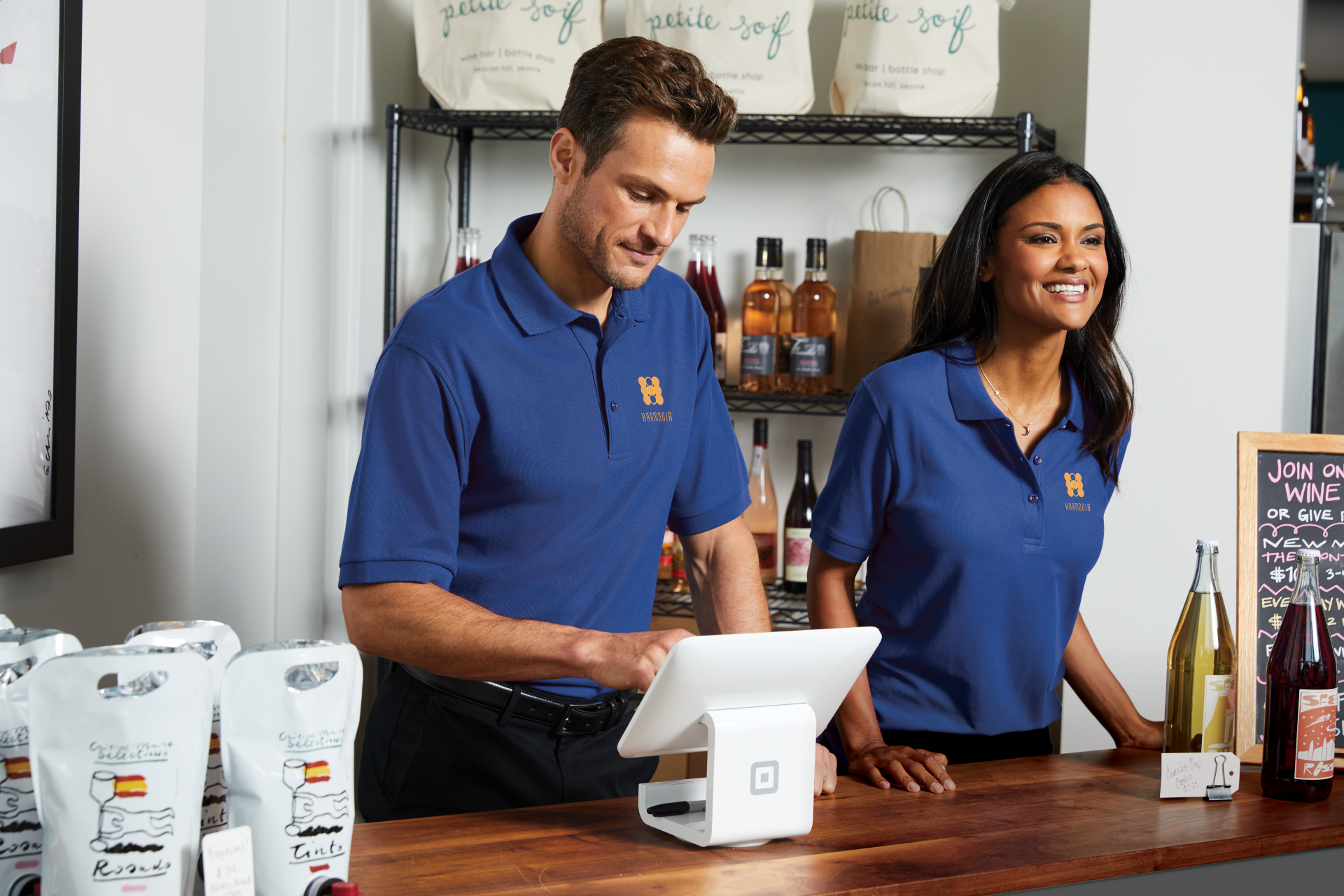
Good uniforms are an investment in team identity. When the gear is right, employees feel it, customers notice it, and the brand benefits. The process doesn’t have to be overwhelming with the right framework and the right partner by your side.
At Righteous, we work with HR teams on exactly this kind of project. From fabric selection and fit testing to decoration and fulfillment, we handle the details so you don’t have to figure it all out on your own. If you’re ready to build a uniform program your team will actually be glad to wear, reach out and let’s talk.