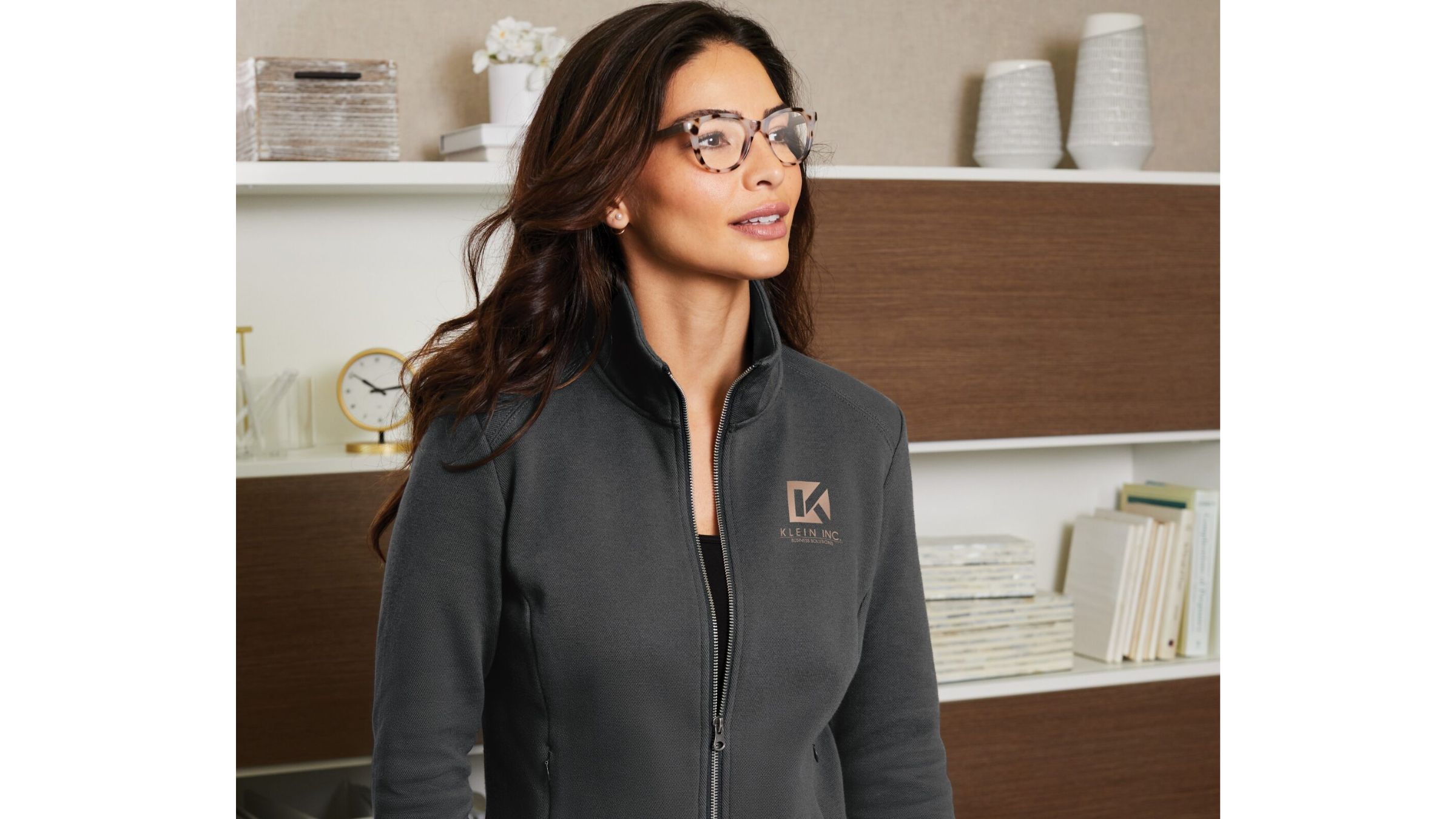

We’ve all heard it. “Sorry, I forgot my uniform.” Once, fine. Every other Tuesday? That’s a pattern. When non-compliance keeps showing up across a team, the forgetting is rarely the real story. It’s a signal. If you’re a manager wondering why your dress code isn’t sticking, look at what that signal is telling you.
In this blog, we’ll look at why employees repeatedly “forget” their uniforms, what that behavior signals, and how better gear, communication, and buy-in fix it.
The “Forgetting” Is Rarely About Forgetting
Passive resistance looks like absentmindedness. Someone who genuinely forgot their uniform once is embarrassed about it. Someone who “forgets” repeatedly has made a quiet decision, even if they haven’t said it out loud.
Consistent non-compliance points to something specific: discomfort, disconnection, or a low-key disagreement with the standard you’ve set. The uniform becomes the thing they push back on because it’s visible, tangible, and easy to sidestep without confronting anyone.
The gap between a written policy and real buy-in is where most mistakes in uniform programs live. You can have clear dress and appearance policies and still have half your team showing up out of uniform. Policy and genuine acceptance are different things.
The Uniform Itself Might Be the Problem
Before blaming the behavior, take a hard look at the gear. Fit, fabric, and comfort are dealbreakers. If the shirt rides up over the shoulders, runs uncomfortably small, or feels like wearing a paper bag, people will avoid it whenever they can.
Gear that looks cheap sends a message to the person wearing it, and it’s not a flattering one. Research on uniform design and employee perception reinforces what managers often see firsthand: what people wear at work shapes how they feel and behave on the job. When a uniform feels off-brand or clearly sourced without much thought, staff read that as a reflection of how the organization values them. They’re not wrong to read it that way.
A uniform that doesn’t reflect the team wearing it creates distance rather than unity. The whole point of a branded uniform program is to build cohesion and confidence. When the gear undercuts both, it becomes something people tolerate rather than something they take pride in.
Nobody Explained the “Why” Behind It
Uniforms rolled out with nothing more than a memo about the start date are almost guaranteed to underperform. When staff doesn’t understand why the uniform exists or how it connects to the brand’s purpose, it reads as a top-down imposition rather than a shared standard.
There’s a real difference between “you are required to wear this” and “here’s what this represents and why it matters for all of us.” The first creates compliance under pressure. The second creates genuine adoption. Most teams only ever get the first version, even though employee buy-in turns a policy into a behavior people follow.
When people understand that the uniform is about consistency, professionalism, and the brand’s values, they’re far more likely to wear it without being reminded. Context builds meaning, and meaning builds habits.
Management Isn’t Wearing It Either
This one is blunt but necessary. If leadership quietly exempts itself from the uniform policy, the message to the rest of the team is loud and clear: this standard applies to you, not to us.
When managers show up in whatever they feel like while staff are held to a dress code, compliance erodes fast. People follow what they see modeled, not what’s written in a handbook. Leadership opting out of the uniform signals that the standard isn’t important, even when the words say otherwise.
Consistency from the top is the most effective enforcement tool available, and it costs nothing. When the team sees managers wearing the gear with confidence, the uniform stops being a rule and starts being a norm.
The Uniform Doesn’t Feel Like Theirs
Zero staff input during the selection process is one of the most common reasons uniform adoption fails. When people have no say in what they wear, they feel no ownership over it. That distance shows up as forgetting, as dragging their feet, as wearing it as little as possible.
When teams have even a small amount of input, whether that’s a vote on color options, feedback on fit during a sample round, or a choice between two approved styles, adoption improves noticeably. People wear what they helped choose.
Small choices make a real difference. Offering a couple of cut options for different body types, letting staff weigh in on a color detail, or asking for feedback before the final order goes in all contribute to a team that feels seen rather than just dressed.
What Fixing This Actually Looks Like
The fix starts before the order is placed, with sourcing gear people will genuinely want to wear: quality fabrics, proper fits across size ranges, and a design that reflects the brand without looking like a costume.
Involving the team before anything is finalized makes a measurable difference. A quick survey, a sample day where people try things on, or a small focus group from different departments all give you better information and better outcomes. If the current gear is causing repeat pushback, it’s time to upgrade employee uniforms with comfort, fit, and adoption in mind from the start.
FAQs
Why do employees forget to wear their uniforms?
Repeated “forgetting” usually points to discomfort, poor fit, lack of buy-in, or disagreement with the uniform policy.
How can managers improve uniform compliance?
Start with better gear, explain the rationale for the uniform, involve employees in the selection process, and ensure leadership follows the same standard.
What makes employees more likely to consistently wear branded uniforms?
Employees are more likely to wear uniforms that fit well, feel comfortable, look professional, and reflect a brand they feel connected to.
Build a Uniform Program Your Team Actually Buys Into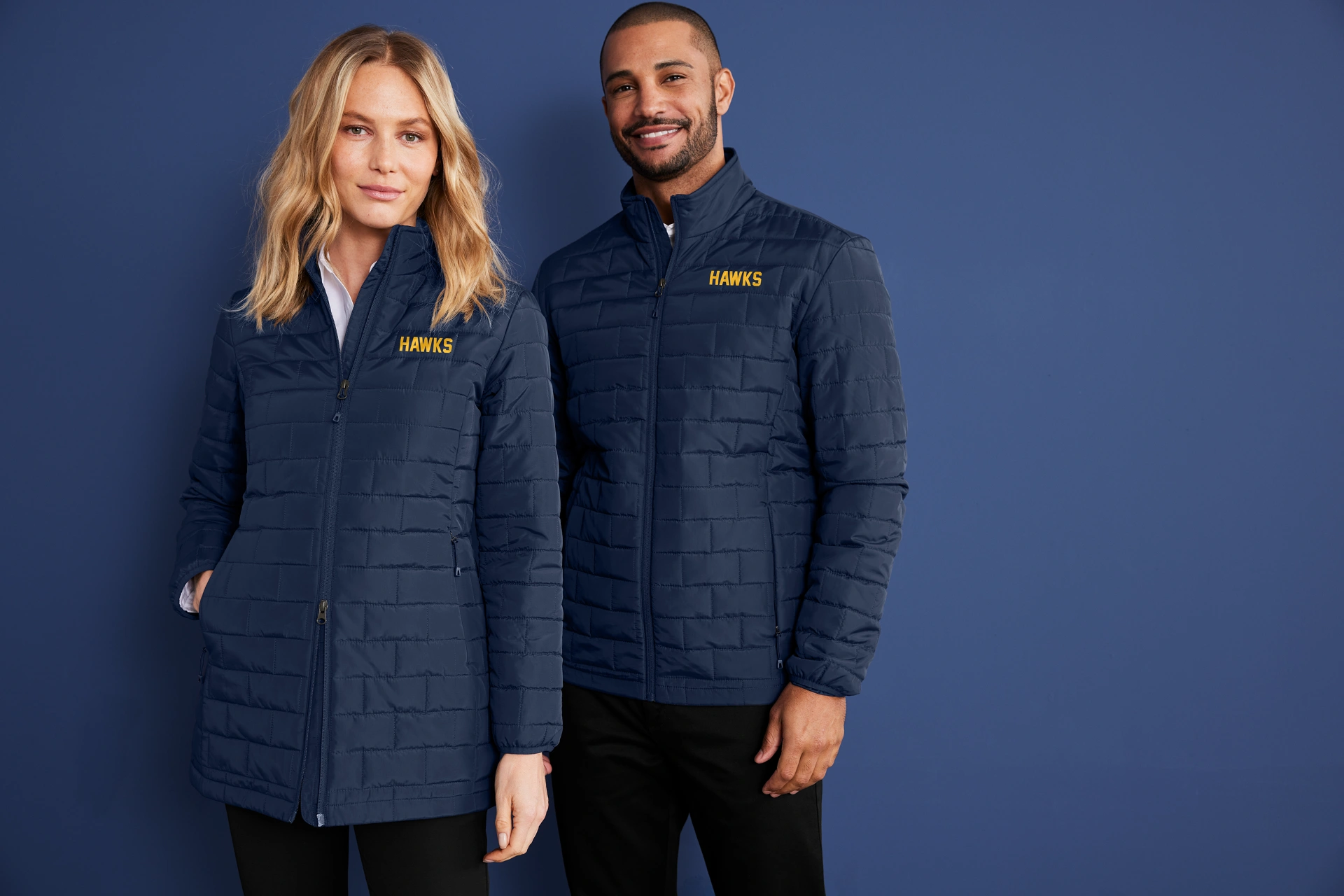
Uniform compliance starts long before the first reminder from management, with gear that fits well, feels good, reflects the brand, and gives employees a reason to take pride in wearing it.
Righteous helps companies build smarter uniform programs around comfort, consistency, branding, and long-term adoption through its corporate apparel services.