

Conference season gets messy fast. Overlapping travel dates. Different booth sizes. Shifting audiences. And that familiar moment when someone asks, “Do we have enough giveaways?” five minutes before doors open.
In this blog, we break down a clear planning system for multi-city schedules. One that keeps your branded merchandise intentional, on time, on brand, and actually useful. The goal isn’t boxes of stuff. It’s a repeatable system that supports real outcomes, city after city.
What “Good Merch” Should Do at Conferences
Good conference merch has a job. Ideally, more than one.
It should:
- Reinforce your brand across multiple industries in a way that feels useful, not throwaway.
- Make your booth easier to remember after a long day on the floor.
- Support real objectives like leads captured, meetings booked, and demos attended.
- Reduce operational stress for your team.
When merch is planned well, it works quietly in the background. When it isn’t, it becomes another fire drill.
Start With the Season Map (Before You Pick Items)
Before ordering anything, map the season. One simple table works:
- City and dates
- Event type and booth size
- Expected foot traffic
- Staffing count
- Audience profile
- On-site constraints like shipping rules or storage limits
This gives you reality before ideas.
Segment Events Into Tiers
Not every event deserves the same investment.
- Tier 1: flagship events with high visibility.
- Tier 2: mid-scale events with balanced goals.
- Tier 3: smaller or niche events with targeted audiences.
Tiers keep spending and expectations aligned, so budget, kit, and staffing match the event’s actual impact.
Define Success Before You Order Anything

Choose the Merch Job for Each Event. Every item should have a purpose.
- Drive booth traffic
- Reward meaningful conversations
- Support partner relationships
- Equip your own team
If you can’t name the job, don’t order the item. Match items to actions. Different moments need different tools.
- Walk-by items for visibility
- Conversation rewards for engagement
- VIP items for decision-makers
- Internal items for team cohesion
This prevents everything from becoming a generic giveaway.
Build a Three-Level Merch System
Swag works best when it’s tiered, so you’re not handing out your best pieces to the wrong audience (or running out by lunch).
Level 1: High-Volume Giveaways
These move fast. They should be:
- Lightweight
- Easy to carry
- Genuinely useful
If it’s awkward to hold, it won’t leave the booth.
Level 2: Mid-Tier Conversation Pieces
These come after interaction.
- Higher perceived value
- Better longevity
- Clearly intentional
They reward time, not foot traffic.
Level 3: VIP or Partner Kits
Reserved and controlled.
- Fewer items
- Better curation
- Thoughtful packaging
This is where restraint matters most.
Choose Merchandise That Travels Well
When your schedule spans multiple cities, merch has to survive the logistics, not just look good on a mockup.
Weight, Volume, and Durability Rules
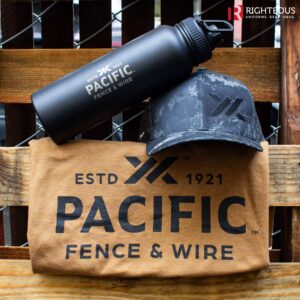
Multi-city schedules punish fragile ideas. Avoid items that scuff, leak, melt, or inflate shipping costs.
Weather and Venue Variables
Convention centers run cold. Cities don’t. Choose items that make sense across climates and indoor or outdoor activations.
The Carry-Out Test
If someone can’t carry it comfortably while walking the floor, it’s not conference merch.
Build the merch for real-world carry, climate swings, and shipping realities, and your merch shows up intact, usable, and worth keeping.
The Branding That Makes Merch Feel Premium
Premium merch doesn’t shout; it signals, and the signal comes from consistency more than cleverness.
Keep the Visual System Tight
Use a consistent color palette and one logo placement approach. Merch should read like a collection, not leftovers.
Subtle Wins
Tone-on-tone marks and refined placements age better than loud graphics.
Message Discipline
Short. Clear. Relevant. Avoid time-sensitive messaging unless it’s intentional.
Keep the system tight, the branding restrained, and the message clean. Your merch will feel curated, not promotional.
Quantity Planning Without Guessing
The fastest way to blow a merch program is to guess on quantities, then watch your best items disappear before lunch on day one.
- Estimate Demand Intelligently: Use traffic estimates, booth location, and staffing capacity. Flagship events need deeper stock and backups.
- Create a Buffer Strategy: Split inventory into must-arrive and nice-to-have. This reduces panic when something goes wrong.
- Prevent Day-One Burnout: Set daily release limits and train staff on what to give, when.
Plan demand, build a buffer, and control daily release. Your inventory will last the whole show without scrambling.
Packaging and Kitting for Speed
The best merch strategy can still fail at the booth if kitting and access aren’t built for speed.
- Pre-Kit Anything That Takes Time: VIP kits and partner bundles should be pre-assembled and labeled.
- Booth Workflow Matters: Grab items should be accessible. Premium items should be controlled. The organization saves energy.
- Add a Simple Insert: A small card explaining what it is and how to use it extends value after the show.
Pre-kit what matters, organize for quick grabs, and add one simple insert. Your merch will keep working after the floor closes.
Shipping, Storage, and Distribution
Merch doesn’t fail on design; it fails in transit, in storage, and in the five-minute scramble before doors open.
Centralized vs City-Specific Shipping
Centralized inventory gives control. City-specific shipping gives speed. Many teams use a hybrid.
Deadlines and Risk Planning
Build conservative arrival dates. Know the failure points before they happen.
On-Site Storage
Plan daily restocks to keep mornings calm.
Choose the right shipping model, pad the timelines, plan restocks, and your booth starts every day stocked, calm, and ready.
Staff Prep Makes or Breaks the Plan
Staff prep makes or breaks the plan: even perfect merch turns into chaos if the team treats it like a free-for-all. Train the why and the when so staff understand what each item is for and when to give it, set simple rules so there’s no freelancing with premium pieces, and assign one inventory owner to track counts, burn rate, and reallocations; train the intent, lock the rules, and give it clear ownership so the merch program stays tight from open to close.
Post-Event Systems Matter
The real ROI shows up after the event, when you turn what happened on the floor into a repeatable system.
Capture What Worked
Do it while it’s fresh. Reactions matter more than assumptions.
Reallocate Inventory
Move surplus between cities. Keep a reserve kit.
Build a Playbook
Save quantities, timelines, and notes so next season is easier.
Capture the learnings, move inventory intelligently, and document the playbook—so next season starts ahead, not from scratch.
Final Checklist Two Weeks Out
Two weeks out is where you stop brainstorming and start executing. This checklist makes sure nothing slips when the calendar gets real.
- Event matrix locked.
- Quantities approved.
- Shipping calendar confirmed.
- Booth workflow planned.
- Staff trained and aligned.
This is where Righteous helps teams turn planning into execution. From tiered merchandise strategy to kitting, fulfillment, and multi-city distribution, we help brands run conference seasons like systems, not surprises.
Make Merch a System, Not a Surprise
When conference merch is planned like an operation, it stops being stressful and starts delivering value. The right items. The right cities. The right moments.
If you’re ready to simplify multi-city conference merchandising, we’re here to help you do it right.