
Here’s a tangle that trips up more operators than you’d expect. You want your whole crew looking sharp and on-brand, but half of them aren’t technically your employees. Welcome to the gray area where branding wishes meet legal reality.
The thing is, 1099 contractors and W-2 employees live in different worlds when it comes to what you can ask of them. That difference changes the whole conversation about uniforms. And if you run multiple locations with a mix of both, you’ve got a few things to sort out before you order a single embroidered polo. Let’s keep it simple.
In this blog, we’ll break down how branded uniform expectations differ for employees, 1099 contractors, and franchise teams, and how multi-unit operators can stay consistent without creating classification headaches.
The Short Answer on 1099 Contractors and Uniforms
Can you require branded uniforms for 1099 contractors? Not without asking for trouble, and that’s the point. Contractors run their own show. The second you dictate exactly what they wear, you start making them look a lot like employees.
The word that matters here is encourage, not mandate. You can offer branded gear. You can make it easy and appealing. What you shouldn’t do is treat it like a rule with consequences attached. Control over someone’s appearance is one of the signals used to determine whether a worker remains independent, and it carries more weight than most operators realize.
Why Worker Classification Changes Everything
A W-2 employee works under your direction. You set the schedule, the tasks, and yes, the dress code. A 1099 contractor runs their own business and decides how and when the work happens. That independence is the entire reason the classification exists.
Dress code rules quietly signal “control” to the IRS. When you mandate a uniform, dictate grooming, or enforce appearance standards, you’re acting like an employer. Stack enough of those signals together, and you’ve got a misclassification risk sitting inside your uniform policy. Reclassification can mean back taxes, penalties, and paperwork nobody wants. So the way you handle contractor apparel isn’t a tiny detail. It’s part of protecting the arrangement itself.
What Franchise Employee Uniform Requirements Usually Look Like
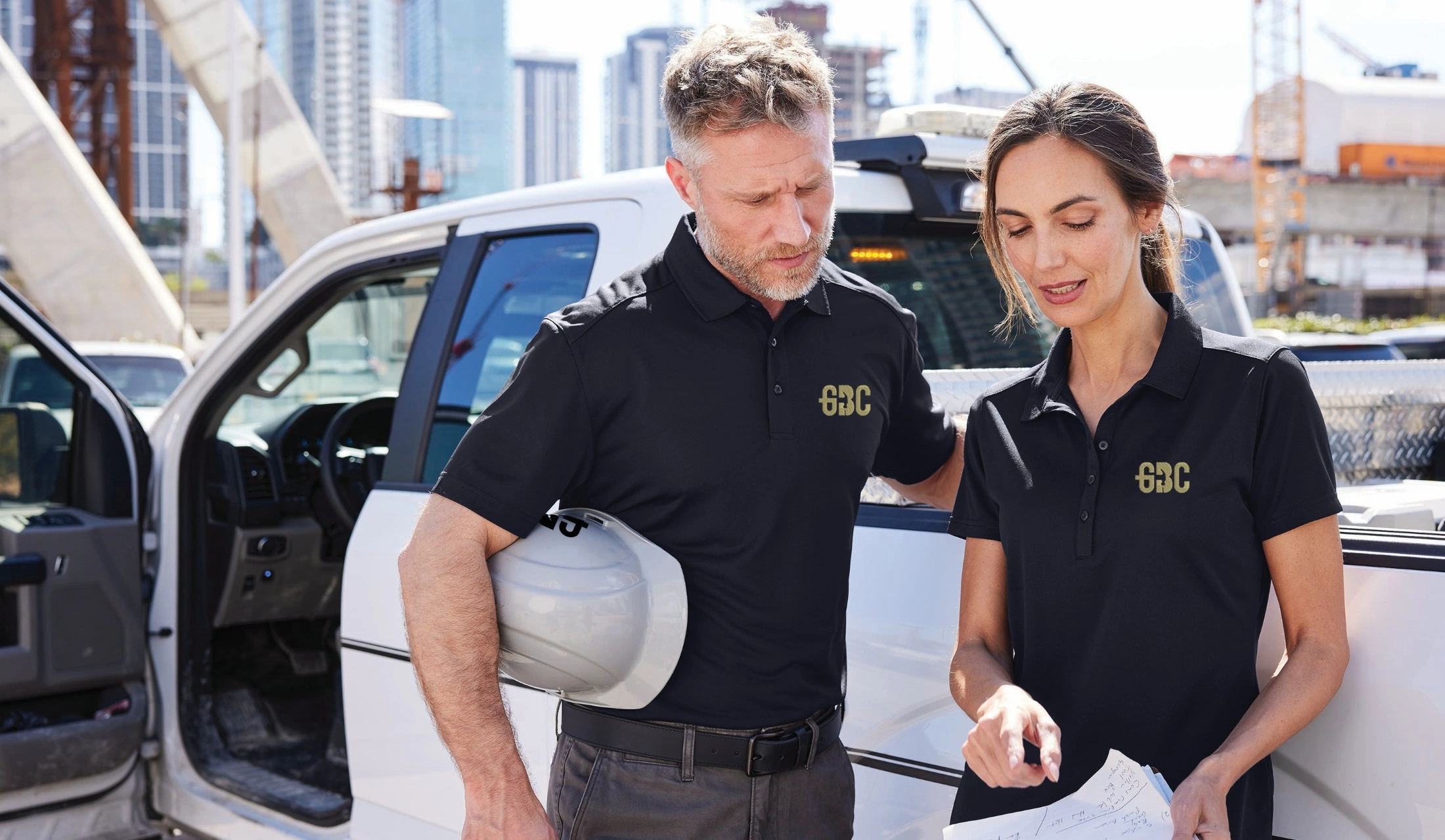
For actual W-2 franchise staff, uniforms are standard and expected. Matching shirts, name tags, branded hats, the works. Franchisors set clear brand standards so every location feels like the same company, whether a customer walks into a store in Portland or Phoenix.
Those standards travel down through the franchise agreement, spelling out colors, logos, and how staff should present themselves. It keeps the look consistent, which is the whole appeal of a franchise. The rules get fuzzy the moment independent workers enter the picture. A franchisor can enforce a dress code for employees, but franchisees can’t slap that same requirement on contractors without inviting the classification problem we mentioned. That’s where a one-size-fits-all policy falls apart.
Dressing Contractors Without Crossing the Line
Good news. You have plenty of room to keep contractors looking great without stepping on the rules. The trick is offering branded gear instead of requiring it.
Think optional apparel, gift programs, and voluntary swag. Hand someone a genuinely nice branded jacket as a welcome gift, and they’ll wear it because they want to. That’s the sweet spot. You’re letting contractors buy in rather than clock in. No mandate, no enforcement, no awkward compliance talk. Just gear that’s good enough to earn a spot in their rotation on its own.
Smart Ways to Keep Contractors On-Brand
Branded hats, polos, and outerwear make easy options. They’re useful, low-pressure, and people reach for them naturally when the quality holds up.
That’s the real secret: make gear people want to wear. Cheap, scratchy swag ends up shoved in a drawer. Well-made pieces with clean stitching and a fit that works become someone’s go-to. When the gear is good, adoption sorts itself out.
One more thing worth doing: document that participation is voluntary. Keep it in writing so there’s no confusion later about whether the apparel was a requirement or a perk. It protects you and keeps the arrangement clean.
Keeping Branding Consistent Across Multiple Locations
For multi-unit operators, look and feel is a big deal. Customers should get the same feel everywhere, and consistent branding builds trust before anyone says a word. That’s why the mixed-worker situation feels tricky.
You’re balancing brand pride against a crew that includes employees, contractors, and sometimes gig staff, all under one roof. The answer isn’t forcing everyone into the same rules. It’s building a system that gives employees clear uniforms while offering contractors appealing, optional gear that fits the aesthetic. Handled well, your locations still look cohesive even when the people wearing the gear have different relationships with your business.
Practical Tips for Building a Uniform Approach That Works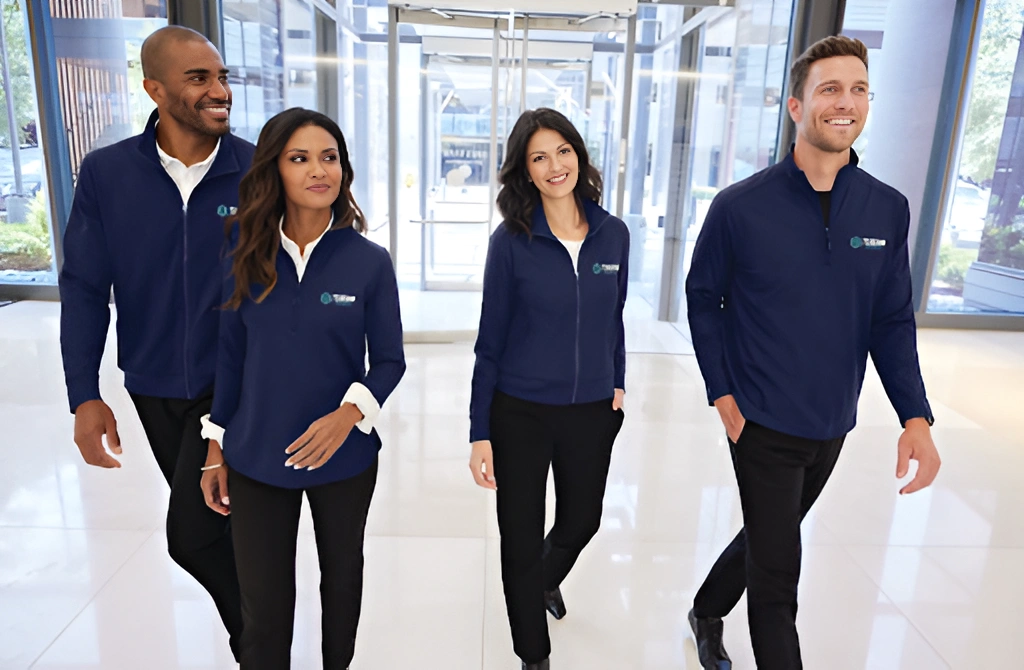
Start by keeping separate policies for employees versus contractors. Employees get the mandated uniform. Contractors get access to voluntary branded apparel: two lanes, no confusion.
Back it up with written agreements that clearly spell out expectations. For employees, that means the dress code. For contractors, that means making clear the gear is optional and offered as a benefit. Clarity now saves headaches later.
And whatever you order, invest in quality gear that builds confidence and makes a strong first impression. People stand a little taller in apparel that fits and feels good, and customers pick up on it. This is where Righteous comes in. We help teams build lineups worth wearing, obsessing over the fabrics, stitching, and details that set thoughtful gear apart from generic swag. Whether you need mandated uniforms for staff or optional pieces contractors will genuinely reach for, we make it look intentional without the guesswork.
FAQs
Can 1099 contractors be required to wear branded uniforms?
A uniform requirement alone won’t determine worker status, but the extent of control you exercise does matter for classification, so think through contractor requirements carefully.
Can companies give branded apparel to independent contractors?
Yes. You can provide branded gear, but contractor status still depends on the overall working relationship, including behavioral and financial control and how you and the contractor work together.
How should multi-unit operators handle employee and contractor uniforms?
Use separate policies that reflect each worker relationship: clear standards for employees, and carefully structured guidelines for contractors that don’t blur the classification line.
Keep Every Location Looking Like Your Brand
Employees, contractors, franchise locations, growing teams. The structure can get complicated fast, but your brand doesn’t have to. Righteous helps multi-unit operators build apparel programs around consistent branding, quality gear, easier distribution, and options people genuinely want to wear.
If you’re ready to make the apparel side of a mixed workforce easier to manage, talk to Righteous about building a branded gear program that keeps every location looking like part of the same team.