
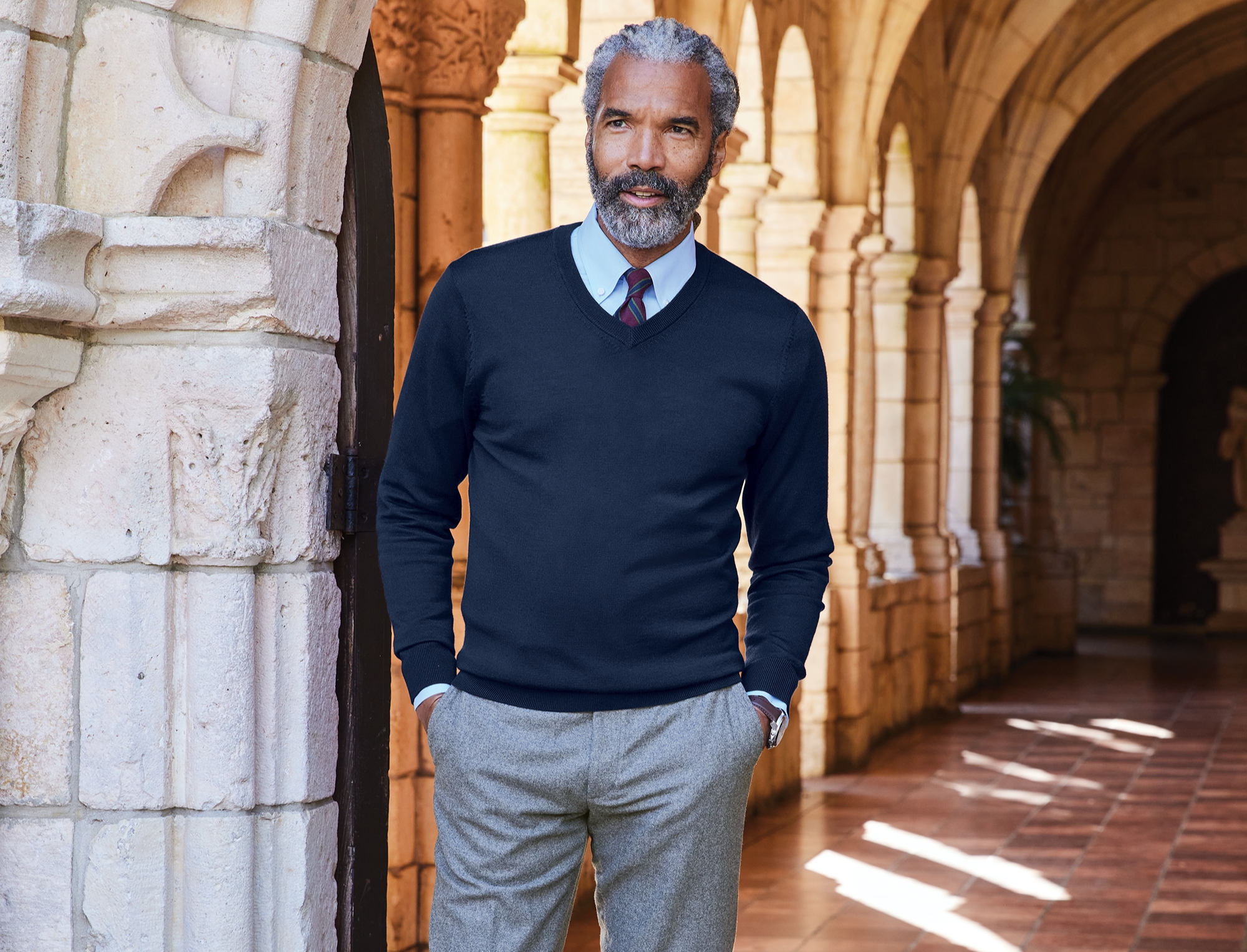
One day it’s a light jacket. Next, you’re standing in a parking lot, breath visible, watching your team pull hoodies out of car trunks and zip up whatever coat they grabbed on the way out the door. By the time January hits, most uniform programs are already playing catch-up.
The good news: upgrading for winter doesn’t mean scrapping everything you’ve built. You don’t need a full reboot. You need smart layers that work with what you already have.
In this blog, we’ll walk through how to add insulated layers before winter fully sets in, so your team stays warm, safe, and visibly on-brand without chaos.
Why Winter Hits Your Uniform Program Harder Than You Think
Polos, light jackets, and fleeces feel “fine” until they suddenly aren’t. Cold wind at a job site. Long stretches outside loading trucks. Drive-thru windows that never quite close. Warehouses that hold the cold like concrete refrigerators. In QSR especially, the front-of-house still has to look sharp while back-of-house stays comfortable near heat, spills, and constant movement.
When the temperature drops, teams don’t wait for approval. They improvise.
Personal jackets appear overnight. Old branded coats from three rebrands ago come back into rotation. Someone shows up in a neon ski parka because it was the warmest thing they owned.
And just like that, your uniform program disappears. This isn’t just about comfort. Cold affects patience, energy, and safety. It changes how people move, how long they linger outside, how focused they are on the job.
The “Personal Coat” Problem: When Your Brand Disappears Under Layering

The quickest fix is also the messiest one.
Visual Inconsistency in Front of Customers
Once personal coats take over, the visual story unravels. Competing colors. Random logos. Sometimes even rival brands. In photos, on social media, during site visits, your team stops looking like a team.
Morale and Perceived Care
Employees read between the lines. No winter gear doesn’t feel neutral. It feels like winter wasn’t considered. Over long shifts, that wears people down.
Safety and Practicality Concerns
Personal coats aren’t designed for work. They’re bulky. They get caught on equipment. They’re rarely water-resistant or high-visibility when they need to be.
Layering without intention creates more problems than it solves.
What “Winter Upgrade” Actually Means (Without Rebuilding Everything)
Your polos, work shirts, and base layers still matter. Winter success comes from adding mid-layers and outerwear that integrate cleanly with what’s already in rotation.
Pieces that work together from October through March, not just on the coldest days. Field techs and delivery drivers need wind and rain protection. Warehouse teams need warmth without bulk.
Office and corporate roles need something polished enough for travel and meetings. Colors, decoration style, and logo placement. Winter layers should look like they belong, not like an emergency purchase.
Core Winter Layer Types to Add Before January
You don’t need everything. You need the right mix.
Insulated Jackets and Parkas
For teams exposed to real weather. Shell performance matters. So does length, hood design, and pocket placement. A jacket that looks good but can’t block wind won’t last the season.
Softshells and Fleece Midlayers
Perfect for people moving in and out all day. Breathable. Easy on and off. Warm without feeling bulky. Look for pieces that stay warm when damp, move easily through the shoulders, and don’t pill after repeated washing.
Thermal Base Layers
The quiet hero. Lightweight thermals worn under existing uniforms keep the visual consistent while adding serious warmth.
Accessories People Actually Use
Beanies, knit caps, neck warmers, insulated gloves. These are the first things teams reach for. In certain environments, high-visibility details aren’t optional, they’re essential.
Fabric, Insulation, and Performance: Choosing the Right Warmth

Minnesota winter isn’t North Carolina winter. Northern California needs different gear than the Midwest. Over-insulating wastes money and limits movement.
Synthetic fills are durable and washable. Fleece and quilted linings add warmth without stiffness. The best choice depends on role, not trend.
If it can’t survive regular washing, rain, and wear, it’s not work gear. Dry-clean-only has no place in winter uniforms.
Keeping Brand Identity Strong When Layers Go On
Smart branding placement: left chest, sleeve patches, back yokes, even subtle label details.
Color strategy: Darker bases hide dirt and wear. Brand colors shine as accents. The goal is cohesion, not contrast for the sake of it.
Consistency across teams and locations: Different roles can wear different pieces, but the visual language should stay the same. That’s how large programs avoid chaos.
Sizing, Fit, and Comfort: Where Programs Win or Lose
Designing for layering: Jackets need room for base layers without restricting movement. Especially in shoulders and sleeves.
Inclusive size ranges: Winter gear requires realistic size curves. Ordering narrow ranges guarantees frustration and delays.
Gender-neutral vs gender-specific: Some programs thrive with unisex fits. Others need tailored options. Planning this upfront prevents SKU overload later.
Inventory and Timing: Be Ready Before the First Freeze
Order before temperatures drop. Lead times, decoration, and shipping get tighter as Q4 fills up. “Let’s see how cold it gets” usually turns into rushed decisions.
Use last year’s data. Most programs over-order small sizes and under-order L/XL when winter layers come into play.
Common Winter Uniform Upgrade Mistakes
They show up every year.
- Buying the bulkiest jackets on the market
- Choosing warmth without waterproofing
- Mixing too many vendors and styles
- Forgetting accessories entirely
All of them cost more in the long run.
How Righteous Helps You Add Winter Layers Without Blowing Up Your Program
This is where we do our best work. We start by looking at what you already have. What’s working? What’s missing? Where winter actually hurts by role and location.
From there, we curate jackets, mid-layers, base layers, and accessories that fit your climate, your work, and your brand. Fabric and insulation choices aren’t generic. We’re specific.
Decoration, kitting, and distribution are handled end-to-end, so nothing feels patched together. For teams tracking sustainability alongside comfort, we can also prioritize longer-wear materials, transparent sourcing, and fewer replacement cycles.
Final Thoughts: Keep Your Team Warm, Branded, and Ready for Winter
Adding the right insulated layers now means fewer compromises later. No more personal jackets. No more visual chaos. No more cold teams wondering why winter wasn’t planned for.
When your winter gear feels intentional, your team feels taken care of. And that shows up everywhere.
If you’re ready to stop scrambling and start building a winter uniform system that actually works, Righteous can help you get there before January ever arrives.