Labor Day usually lands in the “free Monday” file. Cue the barbecues, the last-minute lake trip, the mattress sales nobody asked for. We love a day off as much as the next person. But somewhere between the burgers and the beach chairs, the reason for the whole thing slips out the back door.
Behind every product you grab and every service that shows up when it should, there’s a person who made it happen. The welder. The driver. The line worker. The crew that built the floor you’re standing on. Labor Day was made for them, and appreciation for blue-collar workers deserves way more than a quick nod. So let’s give it the spotlight it earned.
In this blog, we’ll look at what Labor Day really means for frontline workers, why their work deserves year-round recognition, and how thoughtful gear can turn appreciation into something people actually feel.
Where Labor Day Actually Came From
Rewind to the late 1800s. Factory floors ran long and hard. Twelve-hour days and six-day weeks were the norm, not the exception. Kids worked next to adults. Safety was more of a suggestion than a rule.
Workers got fed up and organized. The labor movement pushed back against the hours and conditions, and the first Labor Day took place in New York City in 1882, when thousands marched through the streets. It caught on. By 1894, Congress made it official as a national holiday. So next time you’re enjoying that Monday off, remember it came from people who fought for the plain idea that workers deserve rest and respect.
Who We Mean When We Say “Blue Collar”
Blue collar covers a lot of ground. Trades, manufacturing, construction, warehouse crews, transport. The electricians, plumbers, machinists, forklift operators, and long-haul drivers who keep the whole machine running.
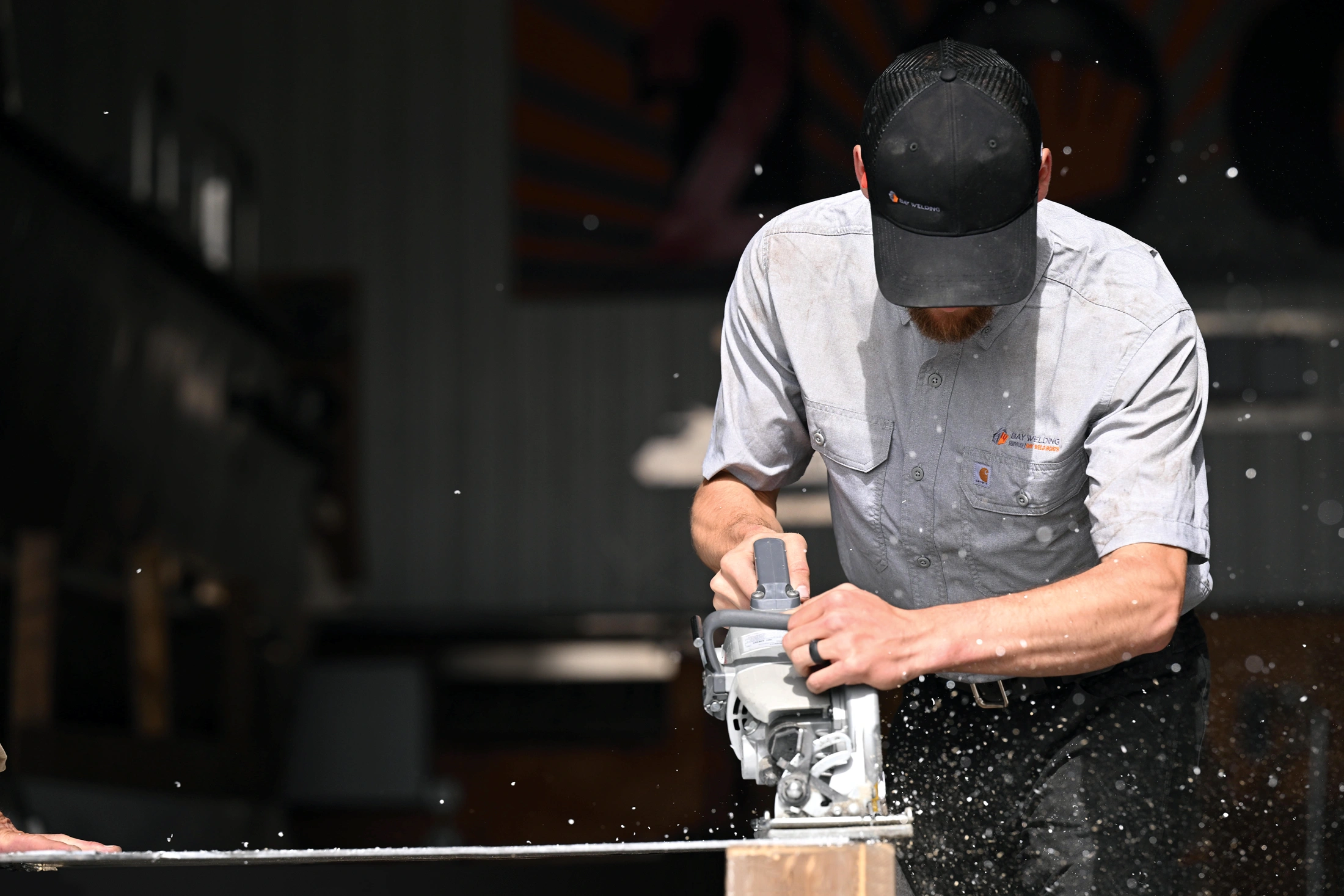
These are the hands-on jobs that touch everything. Your morning coffee got there by truck. Your office got built by a crew. Your packages got sorted by people moving fast in a warehouse you’ll never see. Honoring frontline workers on Labor Day means admitting that appreciation for industrial and manufacturing workers isn’t a nice extra. It’s overdue.
A Quick Look at Blue Collar Workwear History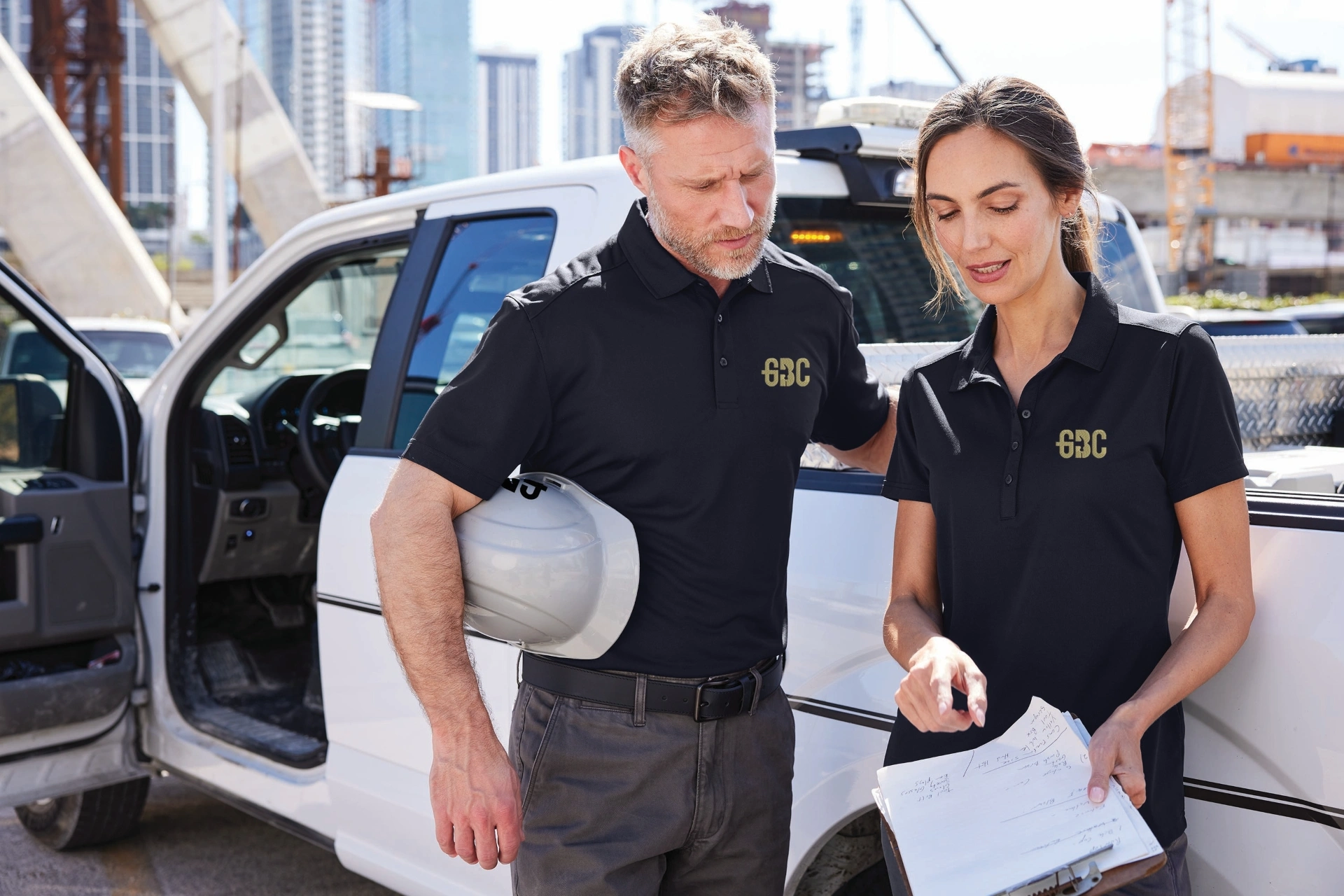
Denim and canvas showed up because they held up. Miners, railroad workers, and farmhands needed clothing that could take a beating, so heavy fabrics and reinforced stitching became the standard. Function came first every time.
Then something shifted. The gear became identity. A pair of broken-in work boots and a solid jacket started saying something about the person wearing them. Skip ahead: durable, branded uniforms became a way for companies to blend toughness with a clean, consistent look. Blue-collar workwear history is the story of clothing that earned respect one shift at a time.
Why Frontline Workers Still Get Overlooked
Here’s the uncomfortable part. Most of the labor that keeps daily life smooth happens where nobody’s watching. The overnight stocking. The pre-dawn deliveries. The maintenance that keeps the lights on. When things work, we barely notice. When they break, we complain.
That gap between everyday convenience and the effort behind it is exactly why frontline workers slip through the cracks. Recognition shows up once a year, if that. Real appreciation means seeing these folks the other 364 days too, not squeezing gratitude into one Monday and calling it done.
How We Can Actually Show Appreciation
Empty thank-yous are easy. A quick “great job, team” email feels nice for about four seconds. Meaningful gestures stick around longer if you want workers to feel valued; back up the words with something they can use.
Throwaway gear ends up in the back of a truck or the bottom of a drawer. Useful gear, the kind that holds up and feels good to wear, tells people you paid attention. Done right, recognition builds pride and keeps a team feeling connected. Those are the Labor Day employee recognition ideas worth your time.
Recognition Ideas That Don’t Feel Cheap
The good news is appreciation doesn’t have to be complicated. A few thoughtful choices can say a lot more than another company-wide thank-you email.
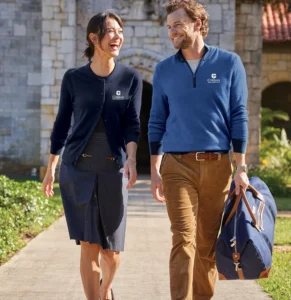
- Quality apparel: Give workers pieces they’d reach for on their own, comfortable fabrics and fits that don’t feel like an afterthought.
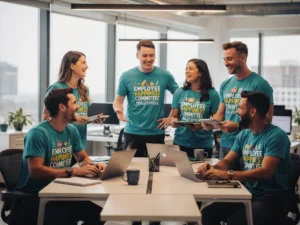
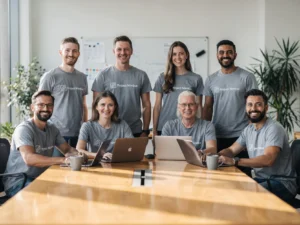
- Team gear that builds pride: Matching, well-made gear says “we’re in this together” without anyone having to say it out loud.
- Real acknowledgment: Small perks, extra time off, or a genuine callout in front of the crew go a long way when they mean it.
Whatever you choose, the point is simple. Make the recognition useful, genuine, and worthy of the people doing the work, right down to the gear you put their name and yours on.
Gear That Honors the People Wearing It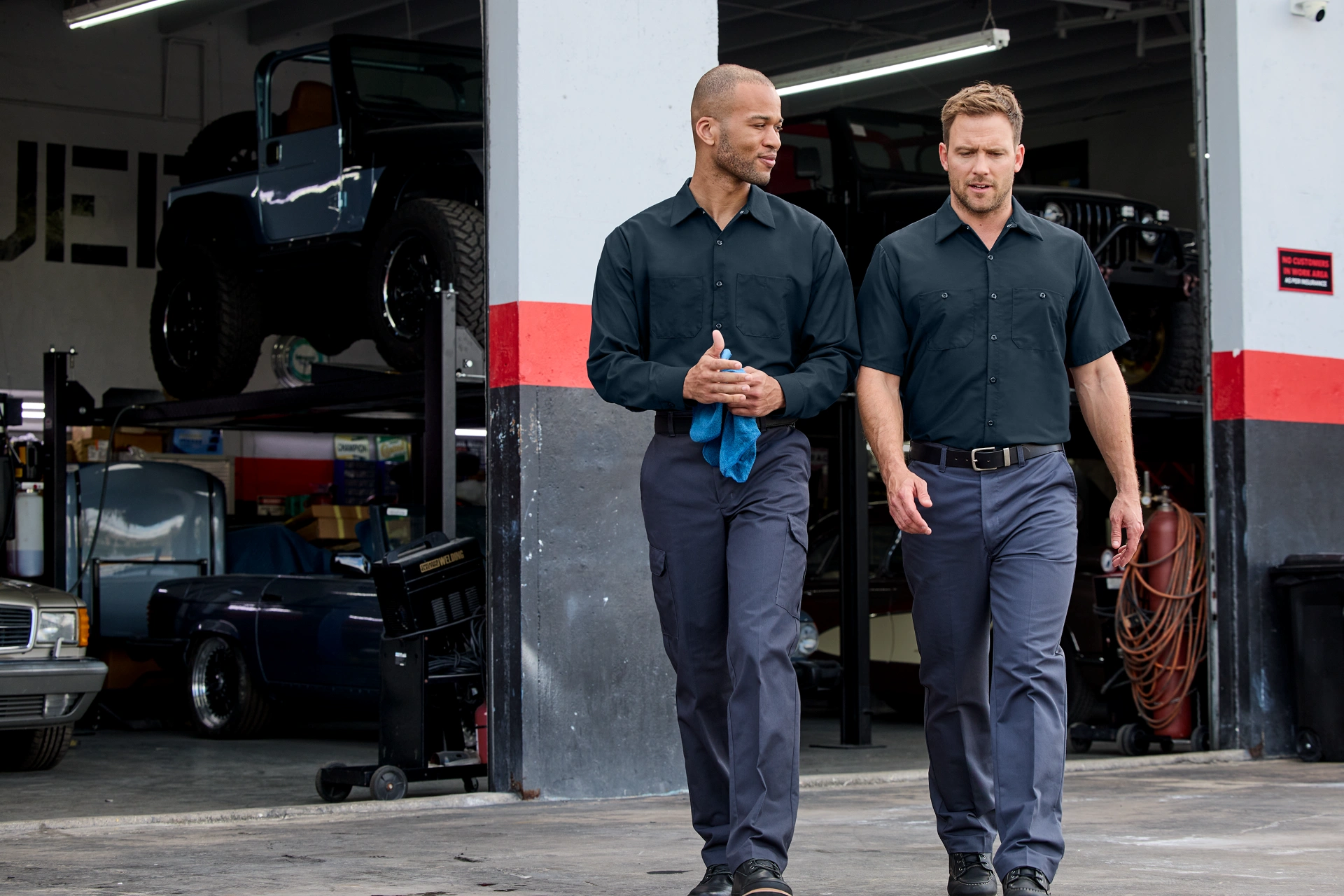
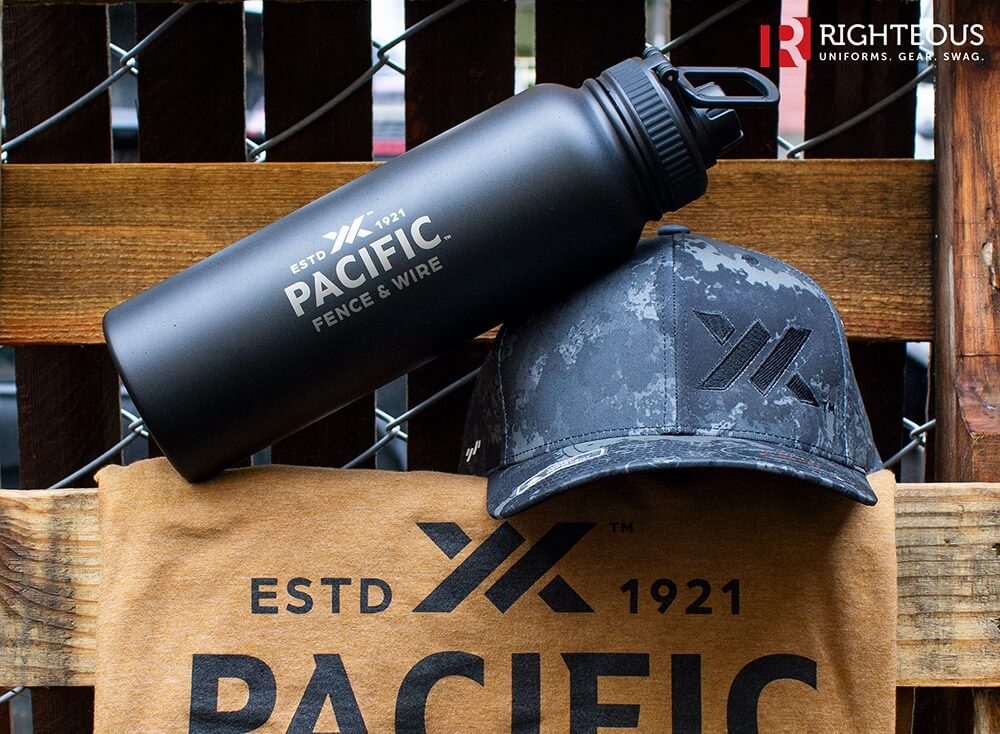
Branded merch, when you put thought into it, is a form of respect. It tells your team you invested in them instead of grabbing the cheapest option and slapping a logo on it. For hands-on work, comfort and durability come first. A shirt that breathes. A jacket that survives the job. Gear that keeps up.
Good gear does something quiet but real. It gives people confidence on the job and shapes the first impression customers walk away with. A crew that looks sharp and feels comfortable moves differently, and everyone notices.
Give Your Crew Gear Worth Wearing
Your frontline team puts in the work every day. The gear you give them should do the same. Righteous helps companies build branded apparel programs around real jobs, real people, and the conditions they actually work in, with quality, comfort, durability, and consistency built into every decision.
If you’re ready to give your crew something that feels like appreciation rather than another company giveaway, contact Righteous to build gear your team will be proud to wear.