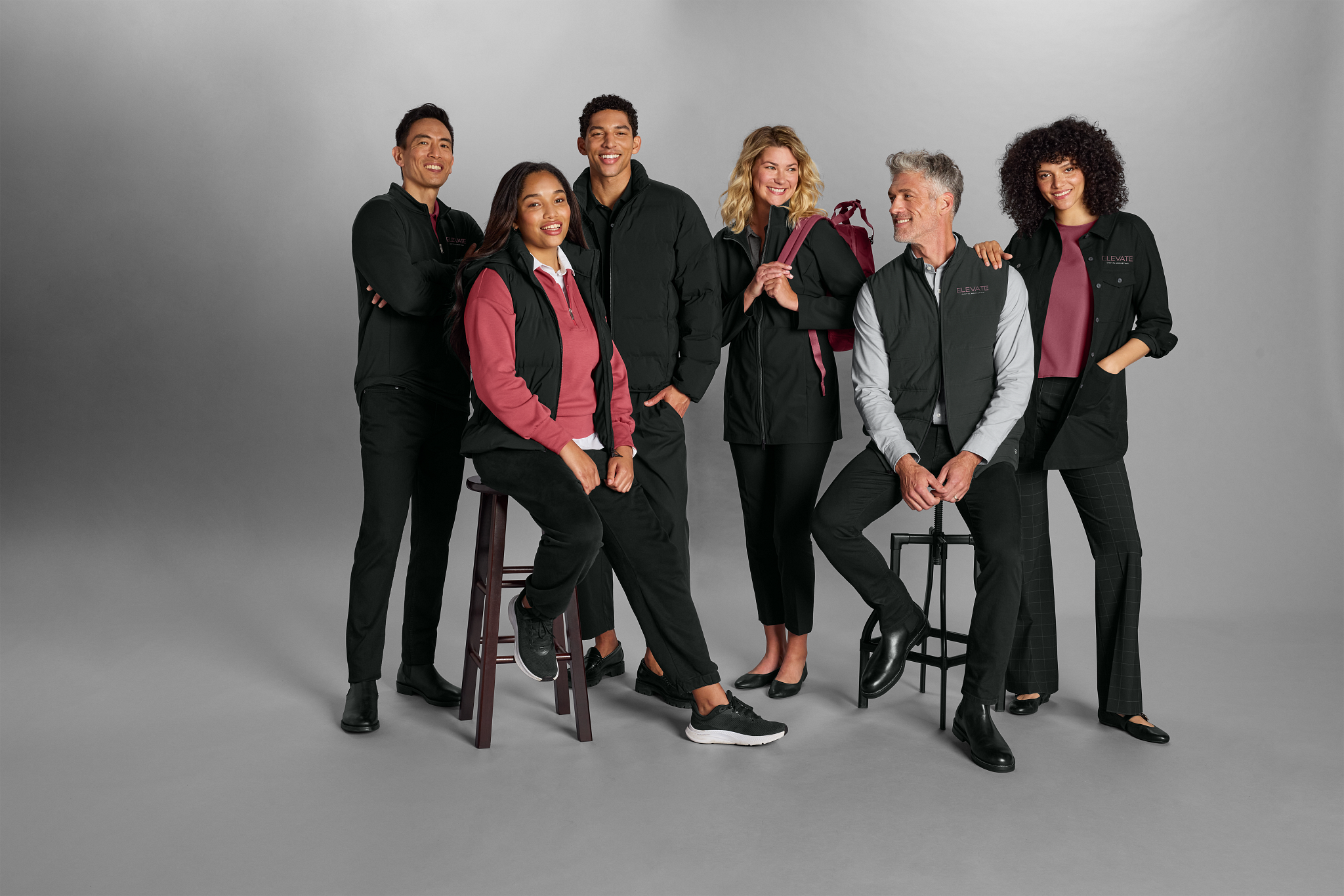

Picture Monday morning. Half the team walks in wearing crisp, clean shirts. The other half looks like they wrestled a laundry basket and lost. One polo has a coffee stain from three shifts back. Another shirt faded so hard the logo is basically a rumor now. Nobody planned this mess. It happened because nobody knew whose job the washing was.
That little mystery, the question of who pays for uniform laundering, causes more quiet friction than most managers expect. It sits in a fuzzy spot where everyone figures someone else has it covered. The fix is a clear, uniform care-responsibility policy that spells out who washes, who pays, and how often. Let’s sort it out.
In this blog, we’ll break down who should handle uniform washing, what should be included in a clear laundering policy, and how to keep uniforms looking sharp without creating extra headaches for your team.
Why the “Who Washes What” Question Trips Up So Many Teams
Uniforms live in a gray zone. The company bought them, so people assume the company keeps them clean. Employees wear them home, so managers assume staff tosses them in the wash. Both sides shrug. The gear pays the price.
When nobody says the expectation out loud, uniforms start looking tired fast. Wrinkled collars. Two shirts in three different shades of the same navy. Stains that never came out. All of it sends a message you never meant to send. Customers pick up on it. A team that looks put together earns trust before anyone says a word, so the “who pays for uniform laundering” question is a brand-consistency question in disguise.
Employer vs. Employee: Who Actually Foots the Bill
So who covers the cost? Depends on the gear and the setup.
Employers usually handle laundering when uniforms need special care, take a beating on the job, or are subject to safety requirements. Think restaurants, healthcare, industrial roles. In plenty of everyday settings, employees wash their own polos or shirts at home because the care is easy and the cost is pocket change.
The employer-vs.-employee uniform-washing line shifts with the item. Specialty gear almost always lands on the company: flame-resistant clothing, hazmat wear, anything that needs commercial sanitizing. You don’t want a line cook running that through a home dryer.
The Fine Print Nobody Reads
Wage law shows up here. If you deduct laundering costs from paychecks, those deductions cannot drop an employee below minimum wage. That one trips up a lot of businesses.
State laws vary too. Some states require employers to cover the full cost of uniform upkeep, especially for required, branded, or non-street-wearable clothing. Check your local Department of Labor guidance before you write the policy. A friendly assumption can turn into a compliance headache fast.
The Three Common Laundering Models
Most teams land on one of three setups:
- Company-managed service: A uniform plant picks up dirty gear and drops off clean pieces on a set schedule. Zero effort for staff, consistent results, higher cost.
- Home washing with guidelines: Employees launder their own uniforms using clear care rules you hand them. Cheap and simple, best for low-soil, easy-care fabrics.
- Reimbursement or stipend: You give staff a set amount to cover their washing time and supplies. Fair middle ground, and people like it.
A laundering stipend for uniforms tends to keep everyone happy because it respects the work without shoving anyone toward a laundromat run.
Setting Up a Laundering Stipend That Feels Fair
A stipend only works if the number feels right. Start by estimating water, detergent, and time for a few loads a month. Most teams settle on something modest per pay period, enough to feel respectful without turning payroll into a math project.
You’ve got two routes. A flat rate is predictable and painless: same amount, every month, no paperwork. Reimbursement by receipt tracks actual spending but adds admin work nobody wants. For most teams, the flat rate wins hands down.
Keep it easy for payroll and staff: one clear line item, one steady amount, no fine-print conditions. When people understand the stipend at a glance, they trust it.
What Belongs in a Solid Uniform Maintenance Policy
A written uniform maintenance policy kills the guesswork. Here’s what yours should cover:
- Who washes, who pays, and how often: No ambiguity, no assumptions.
- Care instructions: Fabric-specific rules to prevent anyone from shrinking a shirt or bleeding color into it.
- Replacement timelines: When worn-out gear gets swapped and how staff requests replacements.
- Consequences for showing up sloppy: Fair, clear expectations for a clean, presentable look.
A strong, uniform care-responsibility policy protects both sides. Staff know what’s expected, and you keep the whole team looking sharp.
Care Tips That Keep Uniforms Looking Sharp
Once the policy exists, good habits do the heavy lifting. Pass these along to your crew:
- Read the care label first. That tiny tag saves a lot of shirts from being ruined.
- Pre-treat stains fast and separate colors before they mingle.
- Wash dark and bright fabrics in cold water to help colors last longer.
- Air-dry or use low heat to protect logos and dodge shrinkage.
Small routines like these stretch garment life by months. That means fewer replacements and less money out the door.
How We Help Teams Skip the Laundering Headaches
Here’s where the whole problem gets easier: start with better gear. At Righteous, we pick durable, easy-care fabrics from the jump, so washing stays simple, and the color stays true wash after wash.
When your uniforms hold their shape, resist fading, and withstand real-life wear, your laundering policy gets a lot less complicated. We help teams pick apparel and branded pieces that look great on day one and on day one hundred. Browse our apparel and merch options to see gear built to wear well and make your policy painless to follow.
FAQs
Who is responsible for washing employee uniforms?
It depends on the workplace, garment, and applicable laws. Everyday uniforms may be employee-washed, while specialized or safety-related clothing may require employer-managed care.
Can employers charge employees for uniform laundering?
In some cases, yes, but federal and state wage laws can limit deductions or require employers to cover certain uniform-related costs.
What should a uniform laundering policy include?
Spell out who washes the uniforms, who pays, care instructions, cleaning frequency, replacement rules, and expectations for keeping garments presentable.
Make Uniform Care One Less Thing to Manage
A laundering policy gets a whole lot easier when the uniform itself is built for real work, regular washing, and repeat wear. Righteous helps teams choose durable, easy-care apparel and build uniform programs around the way employees actually work, so you spend less time dealing with fading, replacements, and laundry confusion.
If you’re ready for gear that keeps looking sharp without turning uniform care into another management project, talk to Righteous about building a smarter apparel program for your team.