
Spring Uniform Transition Guide: Preparing Your Team for Warmer Weather

Spring is the season when a team can look “almost right” and still feel completely wrong. Mornings are cool, while indoor AC battles hit in the afternoon. And suddenly, the winter uniform that worked perfectly in January becomes a daily source of discomfort in April.
Here’s a simple, repeatable spring uniform transition plan so our team stays polished, comfortable, and easy to spot, without turning every shift into a layering guessing game.
What A Spring Uniform Transition Means In Team Terms
A proper spring uniform transition is a structured seasonal changeover, rather than a panic order placed during the
first hot week of the year. It means shifting from heavy winter layers to lightweight work apparel that supports movement, airflow, and comfort while preserving brand recognition. It accounts for role differences, quick reorders, and real-world weather swings.
Success shows up clearly when the team looks unified, people actually wear the approved pieces, and we hear fewer complaints about overheating or mismatched layers.
The Three Non-Negotiables
Before selecting garments, we lock in three priorities.
- Comfort: If spring corporate clothing isn’t breathable and wearable through a full shift, adoption drops immediately.
- Recognition: Customers and coworkers must still instantly recognize who’s on the team, regardless of layering.
- Consistency: Even when pieces change, the uniform should still read as one coordinated system.
When these three align, we prevent drift before it starts, and then we can begin with a clear audit.
Step 1: Audit What’s Actually Happening On Shift
Spring impacts roles differently. Without mapping that reality, we risk creating lightweight work apparel that works for one group and frustrates another.
Map Roles And Heat Load
We ask simple operational questions such as:
- Who is constantly moving versus mostly stationary?
- Who works outdoors, near ovens, machinery, or bright lights?
- Who is client-facing versus warehouse or back-of-house?
Outdoor worker uniforms in spring require different airflow and layering logic than indoor hospitality roles. This clarity prevents one-size-fits-all decisions.
Identify The “Spring Pain Points”
Patterns usually show up quickly in these forms:
- Midday overheating
- Mismatched layers/sleeves rolled inconsistently
- Heavy fabrics cling to humidity
- Not enough backup layers for weather swings
Define Your Spring Weather Range
We also define the actual climate window with cool mornings versus warm afternoons. For outdoor teams, exposure to rain and wind defines their working experience.
Once we understand conditions, we can set standards confidently.
Step 2: Lock Your Spring Uniform Standards
Standards reduce chaos, and without them, seasonal uniform changeovers become subjective.
Choose Your Visual System Before You Choose Garments
We should always define the brand system first. Start here:
- Select one or two dominant colors.
- Choose one consistent logo placement.
- Define the seasonal vibe as polished, relaxed, field-ready, or hospitality-forward.
This ensures spring corporate clothing still feels unmistakably on-brand.
Set Simple Rules That Prevent Chaos
Simple rules prevent daily debates. Define what is required versus what is optional to avoid chaos. Make sure to specify when short sleeves are acceptable, clarify outer layers, and set footwear expectations. Establish rainy or high-heat protocols so that nothing is left unsaid.
With the rules documented, we move on to building the capsule.
Step 3: Build A Spring Capsule Kit
A capsule kit prevents over-ordering and visual clutter.
The Fastest Capsule That Still Looks Intentional
We recommend a simple structure with:
- A core top (tee, polo, or button-down suited to role and climate).
- An optional elevated top for client-facing shifts.
- A light layer for mornings and indoor AC.
- A recognition piece (hat, apron, lanyard, badge).
- One clear-bottom standard with one approved alternative, if required.
This approach keeps SKUs tight while maintaining flexibility.
Simplicity keeps the system scalable and helps us build a tight functional capsule.
Step 4: Get Warm-Weather Fabric, Fit, And Branding Right
Lightweight work apparel must perform in real conditions and not just look seasonal.
Fabric Priorities For Spring
Prioritize breathability and airflow, and make sure the fabric stretches for movement. Choose durability for frequent wear and ensure that finishes stay sharp through long shifts.
Fit Rules That Increase Adoption
Make room for movement without looking oversized so that people feel comfortable while working. Keep fit consistent across styles and plan for inclusive sizing for increased adoption.
Decoration That Holds Up Through The Season
Standardize on a single decoration method and maintain the logo’s size and placement so mixed pieces still look unified.
Consider wash frequency and how hard the workday is on the garments.
Once the kit is built, we test for execution.
Step 5: Size Collection, Distribution, And Exchanges
Operational clarity prevents launch-week friction.
Collect Sizes Without Making It A Project
Use a simple size form with fit notes to record the sizes, and set one clear deadline.
Normalize Exchanges
Make swaps expected and easy so that no one feels forced to oblige. Build a plan for “almost fits” to prevent uniforms from being abandoned.
Distribute In A Way That Prevents Day-One Confusion
Roll out by role or shift group, and keep pre-packed kits so distribution is swift.
Keep backup sizes on hand to prevent confusion.
Clean distribution sets the tone and makes us ready for the launch.
Step 6: Train The Spring Standard And Launch Cleanly
Communication prevents confusion.
The “What To Wear When” Quick Guide
Outline morning layering, midday heat adjustments, rainy-day protocols, and presentation standards so that employees are not confused about what to wear when.
Launch Week Check-In
After the launch, collect comfort feedback to fix early issues and confirm reorders to reduce delays.
With the launch complete, maintenance keeps the system stable.
Keep It Running Through Spring
Spring uniform transitions fail when they’re treated as one-time events.
Reorder Triggers That Prevent Scramble Mode
A spring uniform system only works if it doesn’t collapse mid-season. That’s why we define reorder triggers early, before inventory runs low or teams improvise.
New hires and seasonal staffing changes should automatically activate kit ordering. Damaged or stained items need a simple replacement path so employees don’t default to off-brand alternatives. Role changes that require different pieces must trigger a kit update, not an exception request.
Mid-Season Refresh Without A Full Reset
Spring doesn’t require a redesign halfway through the season, but it does require attention.
A quick audit of what people are actually wearing tells us more than any spreadsheet. If a piece isn’t being used, there’s usually a reason. We replace the items that are dropping adoption, adjust inventory accordingly, and tighten rules if the overall look is drifting. Small corrections keep the system aligned.
And as temperatures continue to rise, we prepare for the next shift. Keeping it running through spring ensures the uniforms are used throughout the season.
Ready For A Cleaner, Cooler Spring Uniform System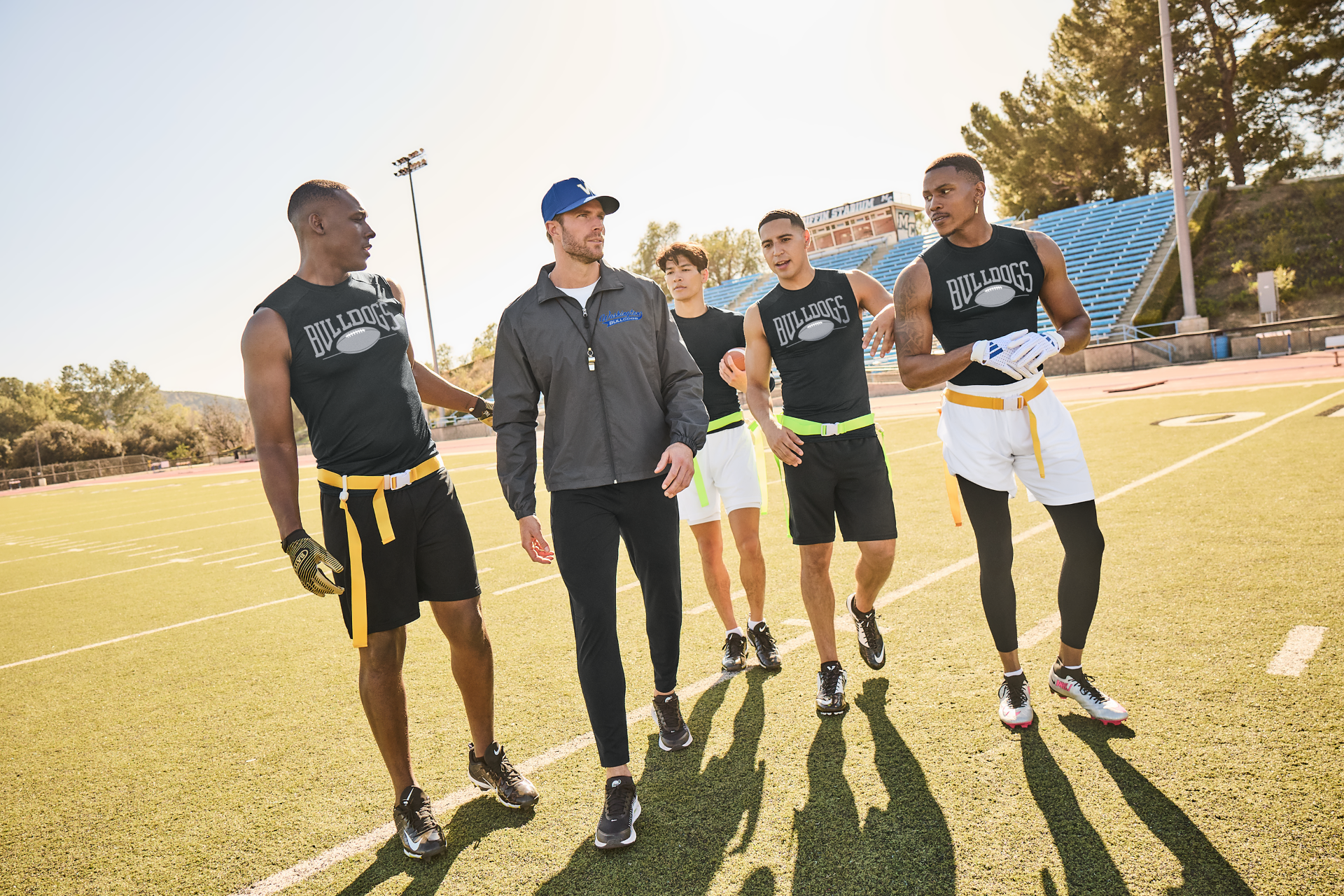
Spring should feel lighter for your team and your operations.
Build a spring uniform kit your team will actually wear.
Keep your brand’s look consistent across weather swings and roles, and set up a simple ordering and replacement process so uniforms stay effortless all season.
Ready to make the spring switch without the scramble? Righteous helps you transition to warmer-weather uniforms without sizing headaches, mismatched reorders, or distribution chaos. From seasonal capsule kits to tech-enabled ordering and clean delivery, we keep every piece consistent so your team steps into spring aligned from day one. Learn more about what we do.
If you’re ready for a spring uniform transition that feels organized and not reactive, let’s build a system that works as hard as your team does.[/vc_column_text][/vc_column][/vc_row]