Embroidery has been the default decoration method for years, but 2026 is bringing customization back in a bigger, bolder, more flexible way. Patches are having a real moment because they deliver impact that we can feel (texture, dimension, placement) while giving brands more control over cost, reorders, and consistency.
This blog will give a practical breakdown of when patches beat embroidery, how to choose the right patch type, and how companies roll them out without headaches.
Why Patches Are Surging In 2026
Trends rarely appear in isolation and often signal a deeper operational shift.
The Trend Behind The Trend
Personalization is accelerating across apparel, accessories, and branded merchandise. People want pieces that feel intentional and not mass-produced. Texture-forward decoration, such as chenille, dimensional badges, and a structured border, is showing up in both fashion and corporate programs.
We’re seeing more teams move away from flat, stitched logos and toward decorative elements that add depth and identity.
Why Brands Love Them Right Now
Patches look premium without requiring oversized logos. They create a “badge” effect that feels structured and deliberate. More importantly, they give you flexibility. We can refresh branding, swap garments, or scale programs without rebuilding decoration from scratch every time. This agility matters for growth-oriented organizations managing seasonal hiring, rebrands, or multi-location rollouts.
When done correctly, patches create consistency without locking you into rigid production cycles.
Patches aren’t just about trends; they also reflect a shift toward flexibility and a stronger brand identity. They offer a premium, adaptable way to scale programs without sacrificing consistency.
Patches Vs Embroidery In Plain English
The right choice comes from understanding what we’re actually choosing, not hype.
What You’re Really Choosing
Embroidery is stitched directly into the garment and is both classic and durable, but less flexible once applied.
Whereas patch branding means the artwork is created separately, then applied to the garment. That separation creates options. We can standardize one patch across multiple blanks, such as tees, polos, jackets, and hats, without recreating the decoration each time.
This is where operational efficiency starts to show up.
Quick Comparison Snapshot
If we’re evaluating embroidered vs patch uniforms, here’s the simplified view:
- Best for impact: Patches (texture, borders, dimensional presence)
- Best for fine detail: Woven patches or simple embroidery
- Best for large-scale reorders: Patches (one standard, many garments)
- Best for ultra-minimal tonal looks: Embroidery
Most teams do not eliminate one. They use both strategically. The real decision is about flexibility and cost control at scale.
Why Patches Often Win On Cost
Cost conversations in apparel programs are rarely just about decoration price. They’re often more about lifecycle impact.
The Cost Drivers Most Teams Miss
With direct embroidery, pricing climbs with stitch count, logo size, and placement complexity. If we change garments or vendors, we often restart artwork approvals and sampling.
Patches separate the artwork from the garment. This means that we can standardize the patch once and apply it across categories.
This distinction reduces repeat setup costs.
Where The Savings Actually Show Up
Savings often appear in places teams overlook:
- Fewer redesign fees when you change blanks
- Easier garment replacements without altering brand marks
- Stronger consistency across multi-location programs
For organizations scaling from 50 to 250+ employees, this predictability matters. It’s one reason custom patch programs are becoming more common in structured uniform systems.
When standardization improves, waste and rework decrease. The cost-effectiveness of patches is one reason teams prefer them nowadays.
Why Patches Often Win On Impact
Uniforms are meant to look intentional and not promotional.
Visual Impact Without Loud Branding
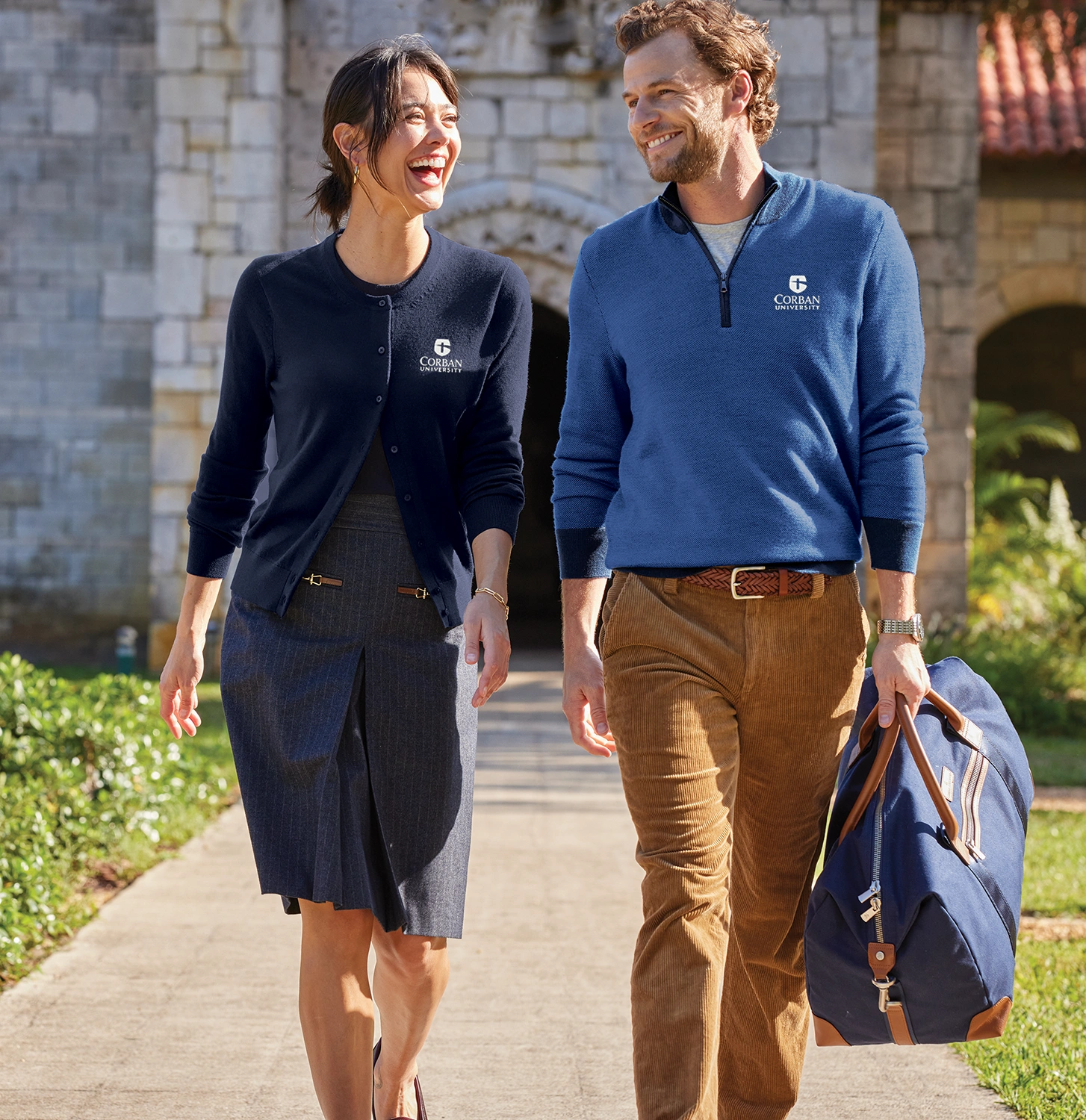
Patches create a structured badge look. Borders, textures, and material contrasts add dimension without increasing the logo size. This is especially powerful when brands want presence without shouting.
The “Touch Factor” That Photos Don’t Capture
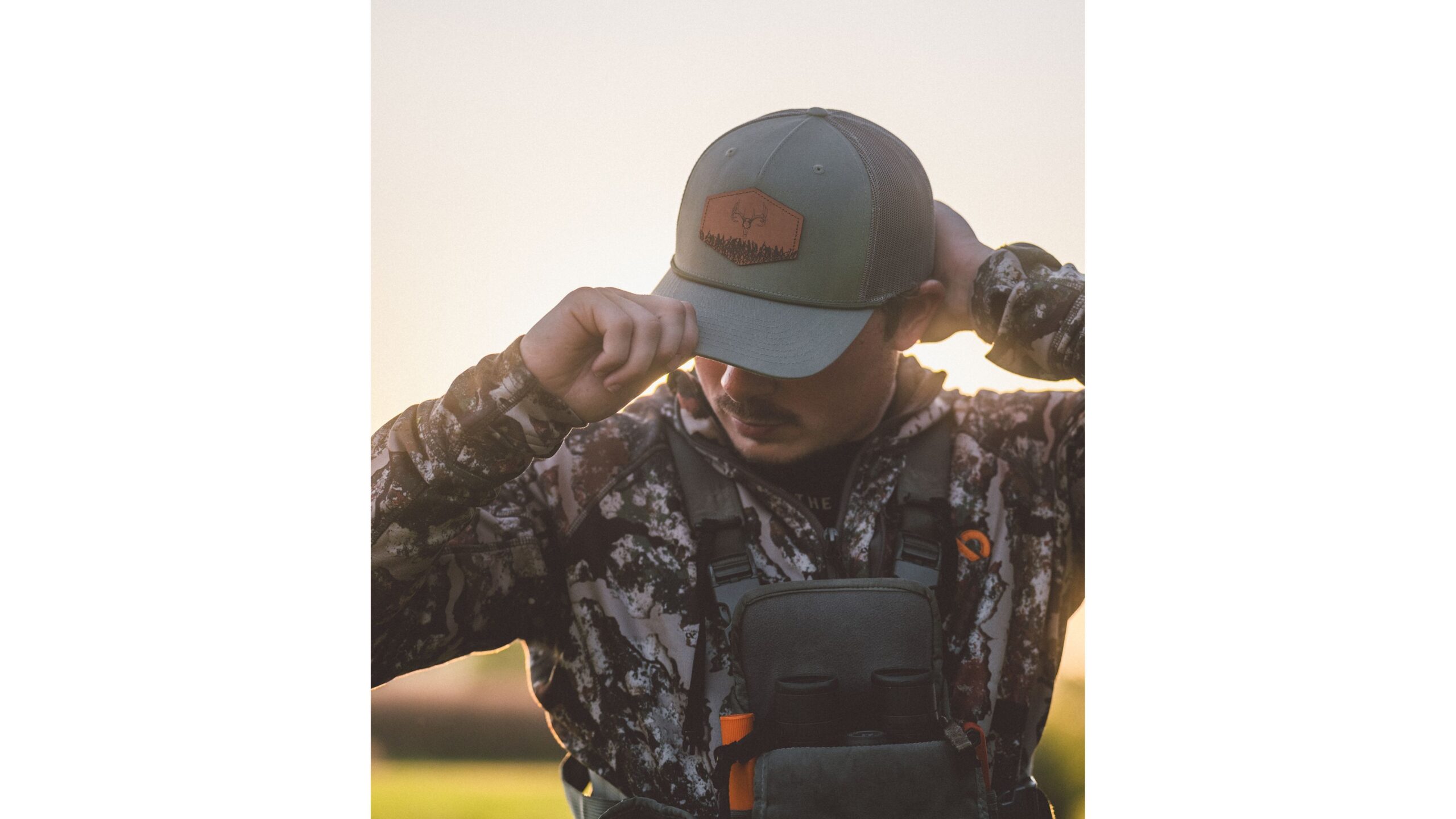
Chenille and raised textures feel elevated the moment you touch them. Leather-style patches create a quiet-luxury effect, while PVC offers durability and dimension for field teams.
The “touch factor” reinforces brand credibility in ways that flat stitching cannot always achieve.
When texture aligns with the industry, it strengthens perception and makes the choice easier.
Patch Types That Matter In 2026
Choosing the right patch type determines whether your program feels cohesive or chaotic.
Woven Patches
These are the best for fine detail, small text, and crisp lines. They are also ideal for minimal logos and clean brand systems.
Embroidered Patches
Classic stitched texture with bold thread presence makes them look both intentional and professional. These are strong for simple marks that need depth.
Chenille Patches
These raised, varsity-inspired textures are showing up more often in 2026. They are great for statement outerwear and team pride moments.
PVC or Rubber Patches
PVC or Rubber patches are modern, weather-friendly, and durable. They are proven to be a strong option for bags, outerwear, and field programs.
Leather or Faux Leather Patches
A quiet luxury vibe and premium texture make leather or faux-leather patches ideal for hats, bags, and minimalist branding systems.
The right choice depends on the fabric category and brand positioning, not just what’s trending.
When Patches Beat Embroidery For Uniform Programs
Not every program needs patches, but certain conditions do favor them.
Best-Case Patch Scenarios
Patches work best when:
- We have multiple garment types, but want one unified brand mark
- We need faster seasonal or campaign refreshes
- We manage multiple locations and want consistent standards
- We want premium visual impact on a controlled budget
In these scenarios, patches reduce operational friction.
Where Patches Reduce Friction
Reduction in friction is achieved by standardizing patches once and then scaling everywhere.
This approach simplifies reorders, minimizes approval loops, and supports growth without constant redesign.
For expanding teams, this efficiency compounds quickly, making patches the better option for uniform programs.
When Embroidery Still Makes More Sense

There are cases where embroidery remains the better choice.
Best-Case Embroidery Scenarios
Embroidery still makes sense in specific, intentional use cases. If we need ultra-minimal, tonal branding that feels quiet and classic, embroidery delivers a clean, understated finish. It works best when the logo is simple, small, and low-complexity. Certain garment categories, such as traditional polos and dress shirts, are also embroidery-native.
The Hybrid Approach Most Teams Land On
In reality, most teams don’t choose one decoration method exclusively. They use embroidery to select uniform staples where consistency and subtlety matter most. Then they lean on patches for outerwear, hats, bags, seasonal campaigns, and fast-moving growth phases.
In the end, the smartest programs aren’t about picking sides. They’re about choosing the right decoration for the right garment, balancing structure, flexibility, and long-term scalability.
A Simple Rollout Plan That Avoids Costly Mistakes

When we roll out a patch program, we start by setting a clear standard. We choose one primary patch type and one backup, then lock in size, border style, and placement rules to protect consistency across garments and locations.
Next, we match patch types to garment categories such as lightweight tops, outerwear, headwear, and bags, and decide which pieces are swappable and which are permanent. Then we build a tight patch capsule: one to two core tops, one layer, one headwear option, and one accessory for events or travel.
We pilot before scaling. We aim to test adhesion, comfort, fit, and placement consistency across sizes. Finally, we launch with a clear reorder system, defined triggers for new hires, replacements, and seasonal shifts, and we plan patch inventory to avoid rush orders.
Make Your Branding Look Better While Your Program Gets Easier
If you want a uniform program that feels premium and runs smoother, patches are a smart 2026 move: stronger visual impact, easier standardization, and more flexibility as teams grow and seasons change.
At Righteous, we help teams evaluate embroidered vs. patch uniforms through a practical lens of cost drivers, scalability, fulfillment logistics, and long-term consistency. From decoration selection to warehousing and reorders, we streamline the process so your apparel stays aligned with your organization as it keeps growing.