
Pick the wrong decoration method, and you’ll know it within a few months. Logos crack, stitching looks off, or the whole thing doesn’t survive the wash cycle. It’s one of those decisions that feels small upfront but shows up on your team’s backs daily. Screen printing vs. embroidery is a real debate, and the answer isn’t always obvious.
Use this guide to make the right call before you place your order, not after.
What Each Method Actually Does
Screen printing pushes ink directly onto the fabric surface using a stencil and squeegee system. Each color in your design gets its own layer, and the result sits on top of the garment. Done well, it’s vibrant, bold, and clean.
Embroidery works differently. A machine stitches thread directly into the fabric itself, building the logo from thousands of individual stitches. The result has texture, weight, and a finished quality that ink can’t replicate. You can feel the difference when you run your hand across it.
Visually, screen printing reads as flat and graphic. Embroidery reads as polished and structured. Both look great in the right context. The problem shows up when people use the wrong one for the wrong job.
How Your Design Affects the Decision
Design complexity is the first decision. Embroidery handles bold, simple logos extremely well. Clean wordmarks, geometric shapes, and classic crests translate beautifully into thread. Fine lines, gradients, and photographic detail are a different story. Embroidery machines can’t replicate subtle color transitions or ultra-thin strokes without muddying the design.
Screen printing handles complexity and color range more easily. If your logo has five colors, a gradient, or detailed illustration work, screen printing gives you more control over the final result. As a logo application method for uniforms, it’s more flexible when the artwork gets complicated.
Size and placement matter too. Embroidery works best at smaller placements, like a left-chest logo on a polo. Large back prints in embroidery get expensive fast and feel stiff on softer garments. Screen printing scales across the full garment without issue, making it the natural choice for big, bold placements.
Which Method Holds Up Better on the Job
Embroidery wins the durability conversation, and it’s not close. Because the thread is woven into the fabric, it survives repeated industrial washing, heavy-use environments, and years of daily wear without degrading. For teams in trades, hospitality, or any role where uniforms get laundered constantly, embroidery holds its shape and color far longer. It’s the best choice for corporate apparel where longevity matters.
Screen printing has a durability ceiling. High-quality plastisol inks perform well under normal conditions, but heat exposure, harsh detergents, and frequent washing accelerate cracking and fading. The thicker the ink deposit, the faster it breaks down at the edges.
Work environment determines durability. Chemical exposure, outdoor conditions, and industrial heat all accelerate the early failure of screen-printed logos. If your team works in those conditions, embroidery is the smarter long-term investment, even when the upfront cost runs higher.
Cost and Order Quantity: What to Expect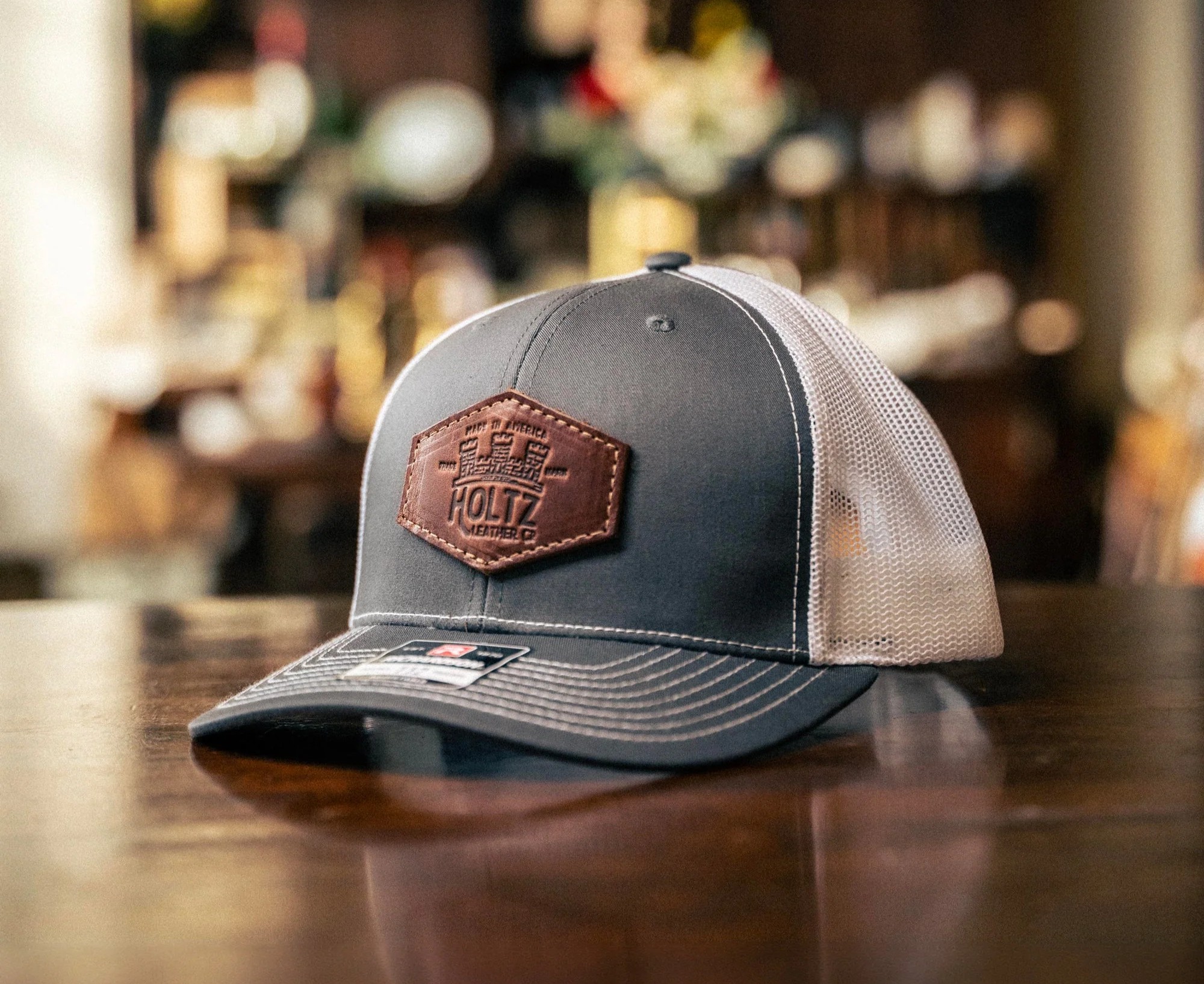
Embroidery carries a digitizing fee upfront. That’s the one-time cost to convert your logo into a stitch file the machine can read, and it typically runs between $25 and $75 depending on complexity. After that, the per-unit cost remains stable regardless of quantity, though higher stitch counts lead to higher per-piece costs.
Screen printing has setup costs per color per screen, which adds up quickly for multi-color designs. The per-unit price drops significantly at volume. At high volumes, embroidery becomes cost-efficient when budget is the main driver.
For small uniform runs with a polished logo, embroidery makes more financial sense. For large orders of simpler branded tees or event gear, screen printing wins on cost. The sweet spot shifts depending on how many pieces you’re ordering and how detailed your design is.
The Right Method for Different Uniform Types
Polos, button-downs, and structured workwear are where embroidery shines. The texture and weight of stitched logos complement these garments naturally. A left-chest embroidered logo on a polo looks intentional and professional in a way that a printed version can’t match.
T-shirts, hoodies, and high-volume event gear are where screen printing wins. These garments are softer, more casual, and built for bold graphics. A large screen-printed design on the back of a staff tee reads exactly the way it should: clean, graphic, and visible from across the room. At scale, screen printing is the best option.
Many smart uniform programs use both. Embroidered polos for customer-facing staff. Screen-printed tees for warehouse crews or event volunteers. Mixed programs let you match the decoration method to the garment type and the role, so every piece looks right for its role.
Make the Right Call Before Production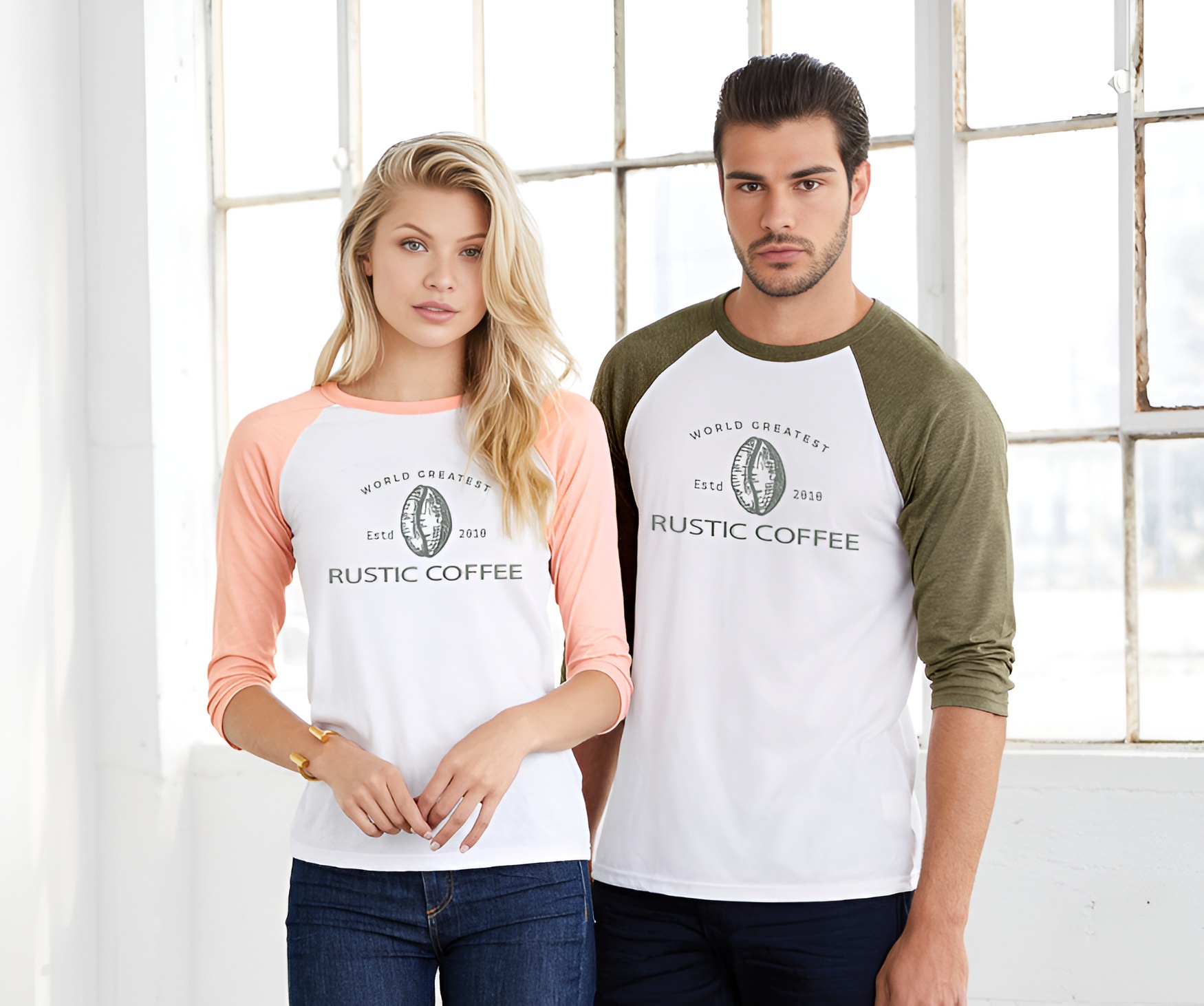
The right decoration method keeps your uniforms sharp, durable, and aligned with how your team actually works. Righteous helps you choose between screen printing, embroidery, or a mixed program before anything goes to production. For branded apparel that looks right and lasts, work with Righteous on your corporate apparel program.