
Putting your outdoor crew in the wrong gear during summer isn’t just uncomfortable; it costs you. Focus drops, energy flags, and the people representing your brand in the field start looking rough by 10 a.m.
Summer work uniforms aren’t nice-to-have. They’re a direct investment in team performance and brand image.
This guide covers the fabrics that perform in heat, the styles worth ordering, and how to upgrade your summer uniform without the logistics headache.
Why Summer Uniforms Hit Different for Outdoor Crews
Heat is not just discomfort – it slows reaction time, kills concentration, and drains energy. For indoor teams, a warm day is an inconvenience. For outdoor crews in direct sun for eight-plus hours, it’s a genuine performance factor.
Indoor uniforms are designed for climate-controlled spaces where looking professional is the main job. Outdoor crew apparel in warm weather has to do considerably more: manage sweat, allow airflow, resist fading under UV exposure, and stay presentable through a full shift. A polo that looks great in an office can turn into a miserable, clingy mess by noon on a job site.
Functional summer workwear works with the body in heat, not against it. Breathability, moisture management, and real freedom of movement mean crews show up sharper, stay comfortable, and represent the brand the way you want.
The Fabrics That Actually Work in the Heat
Fabric choice determines whether your summer uniforms work or fail. Moisture-wicking polyester blends are the workhorses: they draw sweat away from skin and dry fast, keeping crews cooler during active shifts. Straight cotton absorbs moisture and holds it – a soaked shirt that stays soaked is the last thing anyone on a job site needs.
For high-output roles, performance mesh delivers the best breathability. Chambray – a lighter, looser-woven cotton fabric – suits teams that need a polished look without sacrificing airflow. Linen blends offer natural breathability and a clean appearance, though they wrinkle more than synthetics.
Skip heavy cotton twill, dark tight-weave fabrics, and anything with minimal stretch in a movement-heavy role. These trap heat, absorb more sunlight, and wear out faster in summer. For roles with consistent sun exposure, UPF-rated fabrics are worth the small price difference – they block UV while remaining lightweight and adding no bulk.
Lightweight Work Shirts: What Makes a Good One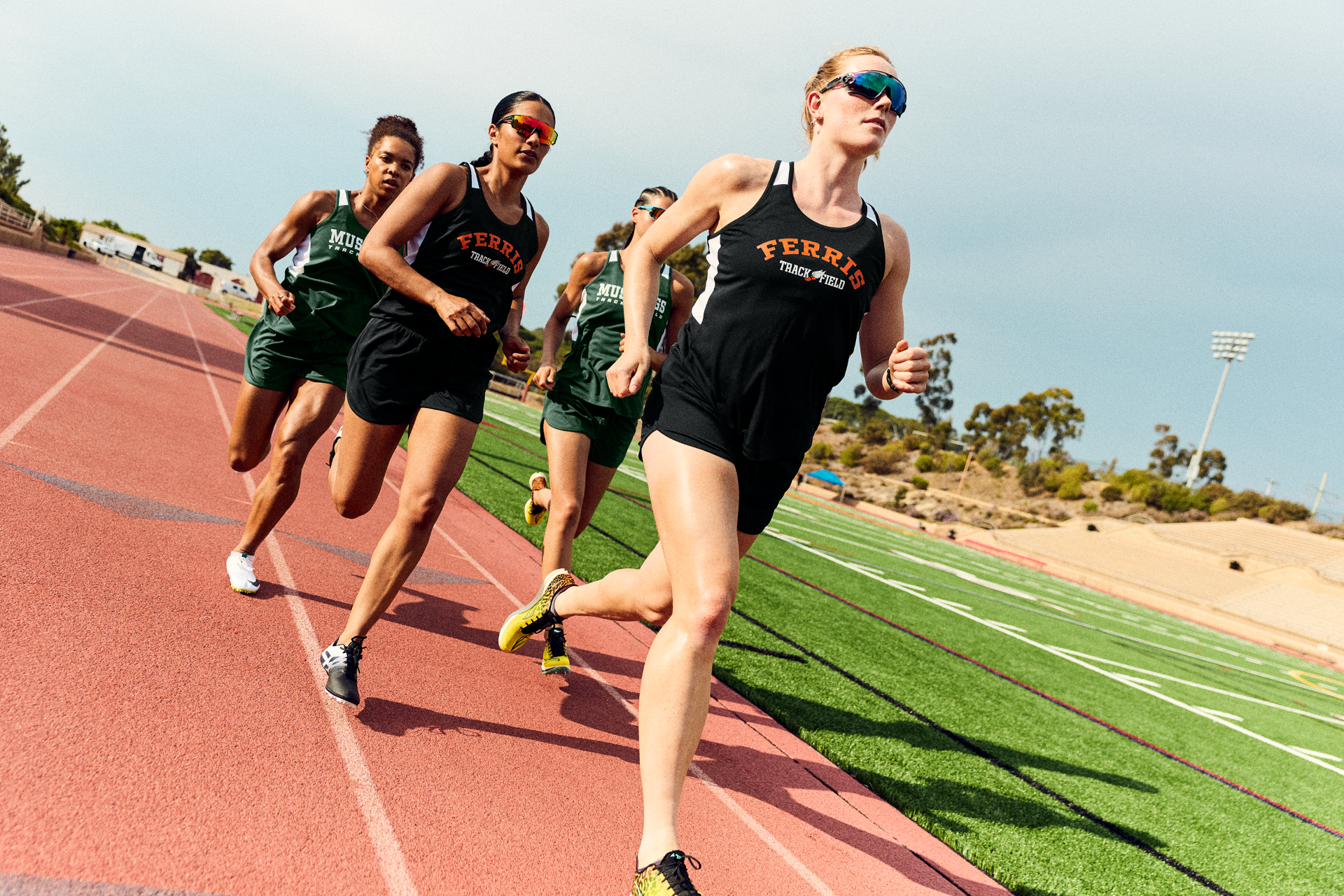
The shirt is the centerpiece of any outdoor uniform program. Short-sleeve styles in moisture-wicking fabrics are the standard for high-heat roles. For crews dealing with consistent direct sun, a vented long sleeve in lightweight performance fabric can be more comfortable than short sleeves – it reduces UV exposure while letting air move through strategic venting at the back yoke or underarms.
Collar style matters. A standard polo collar holds shape and reads professional through a long shift. A camp or spread collar in woven fabric provides more airflow around the neck. The right choice depends on your brand’s look and the role’s demands.
For movement-heavy roles, fit is everything. A shirt cut too narrow through the shoulders restricts movement and fails at the seams more quickly. Look for a relaxed athletic fit or added stretch in the fabric. For branded decoration, screen printing and embroidery both hold up to sweat and washing, but placement matters. Chest logos and sleeve hits outlast large back prints on performance fabrics, which tend to crack over time.
Beyond the Shirt: Full Warm-Weather Uniform Thinking
A strong summer uniform program doesn’t stop at the shirt. Pants and shorts for outdoor work must prioritize stretch, durability, and breathability. Lightweight ripstop fabrics offer tear resistance without the weight of traditional workwear. Shorts with reinforced pockets and a professional cut are ideal for trades and service crews where mobility is non-negotiable.
High-vis doesn’t have to mean sweltering. Lightweight, high-vis shirts and vests made from moisture-wicking materials meet compliance requirements without trapping heat. Modern options exist specifically for outdoor crews in safety-sensitive roles, and the improvement over older gear is significant.
Hats and caps belong in the uniform program, not as afterthoughts. A branded performance cap or structured five-panel in breathable mesh-back keeps the sun off the face, extends the team’s consistent look all day, and is one of the most visible pieces when crews are on site.
How to Roll Out a Summer Uniform Upgrade Without the Headache
The fastest way to waste a uniform budget is to skip team input and place a bulk order based on guesswork. Before anything gets ordered, get a read on what your crew actually needs. A quick survey or conversation with crew leads about current gear will surface problems you didn’t know existed and build buy-in before the boxes even arrive.
Sizing for mixed outdoor crews requires planning. Order a sample run before committing to full quantity – it saves money and avoids ill-fitting gear nobody wants to wear. For summer workwear, size up slightly in performance fabrics, which tend to fit closer than traditional workwear cuts.
Order six to eight weeks before peak season so gear arrives when it’s needed, not in August when summer is nearly over. Match logo placement, thread colors, and decoration style to existing gear to keep branding consistent – that consistency is what makes a program look intentional rather than thrown together.
What a Smart Summer Uniform Program Actually Looks Like
The best outdoor uniform programs balance function and brand identity – they’re not opposing goals. A landscaping crew that shows up in coordinated, well-fitting, branded summer shirts looks dramatically more professional than one in mismatched cotton tees, even if the quality of the work is identical. That first impression is made before anyone says a word.
Teams that switch to purpose-built warm-weather gear consistently report the same results: crews feel better, complain less about the heat, and take more pride in how they show up. That’s a meaningful return on a uniform investment.
FAQs
What fabrics work best for summer work uniforms?
Moisture-wicking polyester blends are the top choice. They draw sweat away and dry fast, keeping outdoor crews cooler through demanding shifts.
Are long-sleeve shirts ever better than short sleeves for outdoor crews?
Yes. Lightweight, vented long sleeves reduce UV exposure while still allowing airflow, making them more comfortable than short sleeves in direct sun.
When should outdoor teams order summer uniform upgrades?
Order six to eight weeks before peak season. Waiting too long means the gear arrives late, by the time summer is nearly over.
Build Summer Uniforms Your Team Will Actually Want to Wear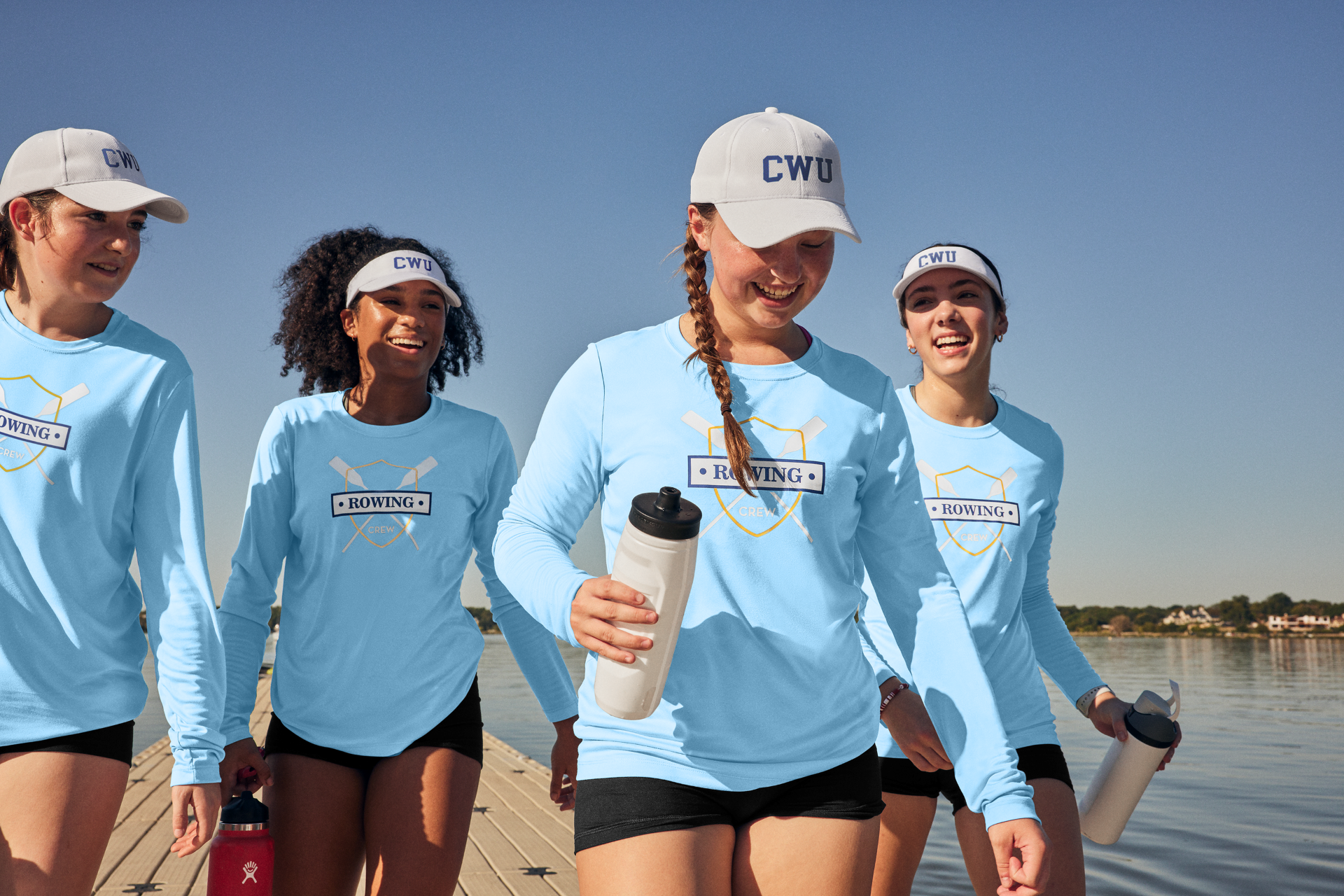
That first impression, summer uniforms must do more than look branded. They need to keep your team comfortable, polished, and ready to represent your organization through long shifts in warm weather. The right pieces reduce heat, improve mobility, and keep your brand looking consistent – without forcing employees into gear that feels heavy, stiff, or out of season. It is made before anyone says a word.
Righteous helps teams choose summer-ready apparel with practical fabrics and clean branding that holds up in real working conditions. From lightweight polos and breathable layers to branded hats and role-specific pieces, we make it straightforward to build a program that works before the season begins. When you’re ready to get ahead of the heat, work with Righteous to build a summer uniform program that keeps your team comfortable, consistent, and on brand.